


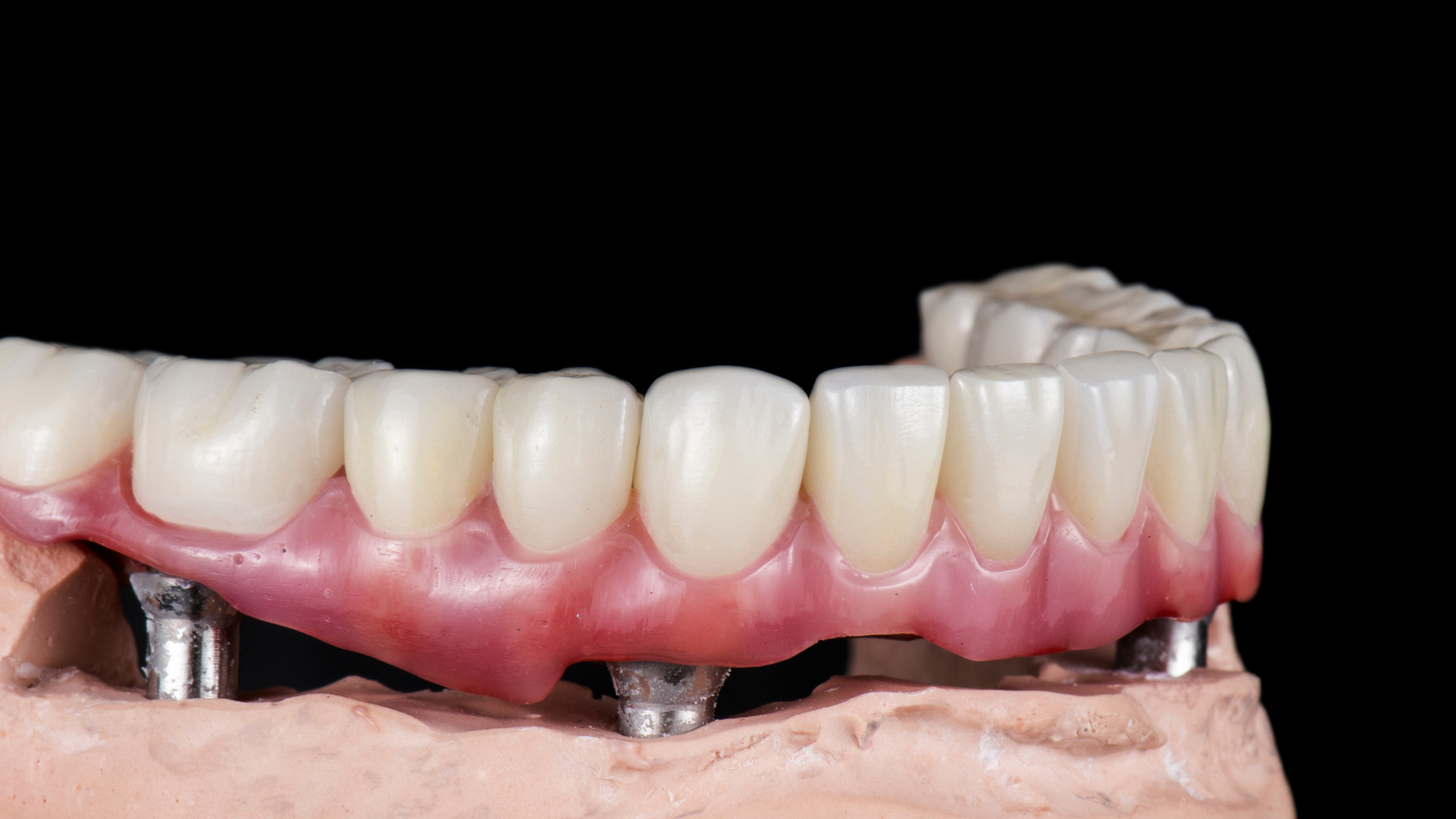
Have you ever imagined getting a dental implant custom-made just for you in a matter of hours? The world of dentistry is witnessing a revolution with 3D printing technology. Dental implants are crucial in restoring smiles and improving quality of life. As technology advances, the future of dental implants becomes brighter. 3D printing offers new possibilities in customization, cost-efficiency, and treatment times.
This blog will explore what dental implants are, how 3D printing enhances their production, and the impact of these innovations on the future of dentistry. You will also learn about the potential challenges and ethical considerations surrounding this technology.
Understanding Dental Implants
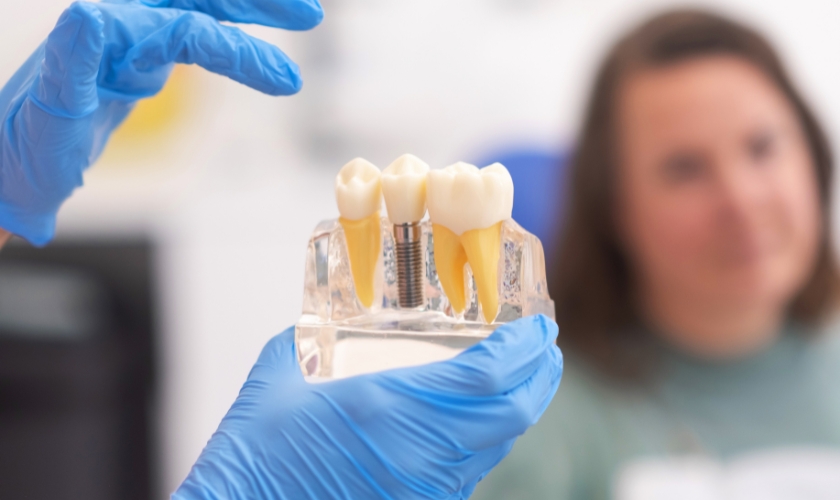
Dental implants are artificial tooth roots that provide a permanent base for fixed or removable replacement teeth. They consist of a titanium post that integrates with the jawbone. This process, called osseointegration, creates a strong foundation for the dental crown placed on top.
There are various types of dental implants available today. The most common include endosteal implants, placed directly in the jawbone, and subperiosteal implants, which sit on top of the jawbone but under the gum tissue. Traditional dental implants have been reliable but often involve lengthy procedures and extensive healing times.
Despite their effectiveness, current challenges in dental implantology persist. Biocompatibility remains a concern. The materials used must integrate well with the human body to prevent rejection.
Customization also presents difficulties, as traditional implants may not fit all patients perfectly. Furthermore, the costs of traditional implants can be prohibitive for many individuals. These challenges require innovative solutions, such as 3D-printed dental implants.
The Role of 3D Printing in Dental Implants
3D printing, or additive manufacturing, creates three-dimensional objects from digital models. This technology has gained momentum across various industries, including healthcare, engineering, and manufacturing. In dentistry, 3D printing revolutionizes the way dental implants are produced.
The 3D printing process for dental implants involves several key steps. First, dentists digitally scan the patient’s mouth using advanced imaging techniques. This scan generates a precise 3D model of the patient’s jawbone and existing teeth.
Next, specialized software converts this model into a printable format. The 3D printer then uses biocompatible materials, such as titanium or dental resin, to create the implant layer by layer.
The benefits of 3D-printed dental implants are significant. First, enhanced customization allows for implants tailored to each patient’s unique anatomy. This customization improves accuracy and a better fit, reducing the risk of complications.
Second, 3D printing significantly decreases production time. While traditional implants may take weeks to fabricate, 3D-printed options can be ready in just hours. This efficiency saves time for dental practices and reduces costs for patients.
Finally, the materials used in 3D printing are designed to be biocompatible. This means they integrate well with the body, enhancing the success rates of implant procedures.
The Future of 3D Printed Dental Implants
Emerging Technologies
The future of 3D printed dental implants is bright, driven by advancements in materials and printing methods. Traditionally, dental implants have relied on titanium for their strength and biocompatibility.
However, new materials are emerging that offer enhanced properties, such as bioactivity and improved integration with bone tissue. For instance, bioactive ceramics and polymers can promote faster healing and reduce inflammation, making them suitable alternatives to traditional materials.
Furthermore, advancements in 3D printing technologies themselves are making it easier to produce complex geometries. Techniques like Selective Laser Sintering (SLS) and Digital Light Processing (DLP) allow for greater precision and detail in the manufacturing process.
These technologies can produce intricate designs that mimic the natural structure of teeth, providing a better fit and enhanced functionality. As printing speeds increase, the production of customized implants becomes more efficient, minimizing patient wait times.
Another promising development is integrating artificial intelligence (AI) into the design and manufacturing process. AI can analyze patient data and create optimal implant designs that improve performance and longevity. Combining AI with 3D printing can lead to fully personalized dental solutions tailored to individual needs, further enhancing the patient experience.
Potential Impact on Dentistry
The innovations in 3D printed dental implants are set to transform the field of dentistry in several significant ways. One of the most notable impacts will be on the speed of dental procedures. With faster turnaround times for custom implants, patients can receive treatment more quickly. This efficiency benefits patients and allows dental practices to accommodate more appointments and serve more individuals.
Moreover, enhanced customization will enable dentists to tackle a broader range of cases. For patients with complex dental conditions or anatomical challenges, 3D printing provides solutions that were previously unattainable with traditional methods. Implants can be designed to fit precisely into irregular bone structures, improving overall outcomes and reducing the likelihood of complications.
Patient experience will also improve significantly with the advent of 3D printed implants. Shorter waiting times and more accurate fits mean less discomfort during procedures and a faster recovery process. This can lead to higher patient satisfaction and increased trust in dental professionals.
Furthermore, with more accessible and affordable options, a larger population will be able to benefit from dental implants, improving overall oral health outcomes.
Regulatory and Ethical Considerations
Despite the promise of 3D-printed dental implants, several regulatory and ethical considerations must be addressed. The approval processes for new materials and technologies can be lengthy and complex.
Regulatory bodies, such as the Food and Drug Administration (FDA) in the United States, must ensure that these innovations meet safety and efficacy standards. This can delay the availability of potentially life-changing treatments for patients.
Additionally, ethical concerns surrounding accessibility and equity in dental care come into play. While 3D printing can reduce costs, the initial investment in technology and training for dental professionals may remain high. This could limit access for patients in lower-income communities or rural areas.
Ensuring that all patients, regardless of their economic status, can benefit from advancements in dental technology is crucial for promoting health equity.
Moreover, as 3D printing technologies evolve, the risk of counterfeit or substandard products could increase. Dentists and patients alike must remain vigilant and informed about the sources of their dental implants to ensure they receive high-quality materials.
In summary, 3D-printed dental implants represent a significant leap forward in dentistry. Their benefits include enhanced customization, improved accuracy, and reduced costs. As this technology continues to evolve, it holds the potential to transform dental practices and improve patient experiences.
If you are considering dental implants, consult with our dental professional about 3D printed options. Staying informed about these advancements can help you make the best choice for your oral health. The future of dental care is here, and it is exciting!

Find out if you qualify for Implants.life dental implants in less than 2 min.
Click Here
Click Here