


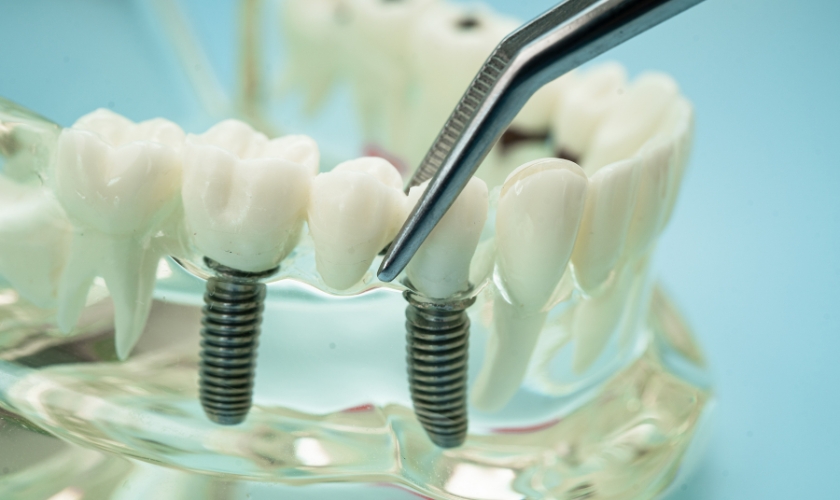
Dental implants are known for their durability and functionality, like natural teeth, but like other parts of your body that you take care of, implants must be cared for appropriately. It helps them to be in good shape in the long term. Among the diseases that threaten to put an implant at risk is peri-implantitis. Learning about this disease early on will help protect your investment in oral devices and oral health.
What Is Peri-Implantitis?
Peri-implantitis is an infection of a dental implant. It begins as inflammation of the gums and, if not addressed immediately, may lead to jawbone loss. This condition is often compared to gum disease, but it specifically impacts the area around an implant rather than a natural tooth.
Early Warning Signs You Shouldn’t Ignore
Catching peri-implantitis in its early stage provides you with your best chance of preventing severe damage. Look for:
- Red or puffy gums near the implant
- Bleeding during brushing or flossing
- Tenderness or soreness near the implant area
- Foul taste or bad smell in the mouth
- Unstable implant
If you notice any of the symptoms listed above, visit an implant dentist in Peabody as soon as you can. Quick treatment may be the difference between a simple fix and an expensive repair.
Why Does Peri-Implantitis Happen?
There are several reasons behind peri-implantitis:
- Poor dental hygiene – Plaque builds up around the implant and becomes inflamed.
- Smoking – Nicotine damages blood vessels, inhibits healing, and increases the risk for infection.
- Untreated illness – For example, diabetes can weaken the body’s immune system.
- Bite misalignment – Excessive pressure on an implant can stress the surrounding bone.
- Diseases in the gum history – Patients with a gum disease history are at risk.
A Peabody implant dentist will consider these risk factors when developing a personalized treatment plan.
How Peri-Implantitis Is Diagnosed
Diagnosis involves both visual examination and imaging. Your implant dentist can use digital X-rays or 3D scans to assess bone levels around the implant. Probing gum tissue measures the depth of inflammation. Meticulousness helps detect changes before they cause permanent damage.
Effective Treatment Options
Early detected peri-implantitis can be treated with ease employing non-surgical methods like:
- Deep professional cleaning
- Antimicrobial gels or rinses
- Antibiotic therapy
In severe cases, surgery is necessary to remove contaminated tissue or to replace lost bone. Your top-rated Peabody implant dentist will determine the most appropriate treatment depending on how severe the case is.
How to Prevent Peri-Implantitis?
The best method of preventing peri-implantitis is to maintain routine, high-quality oral hygiene:
- Brush twice a day with a soft-bristled brush
- Brush near the implant with floss or an interdental brush
- Regular professional cleanings
- Quit tobacco smoking and reduce alcohol consumption
- Schedule six-monthly or as advised dental check-ups
These actions protect not only your implant, but also your overall health.
Peri-implantitis is a serious issue, but one that is preventable with careful care and professional attention. If you’ve seen some change near your implant, or you just want to be sure, it’s time to visit an implant dentist in Peabody. Acting now can keep your smile strong for decades. Contact our Peabody implant team today and keep your smile healthy and happy.

Find out if you qualify for Implants.life dental implants in less than 2 min.
Click Here
Click Here