


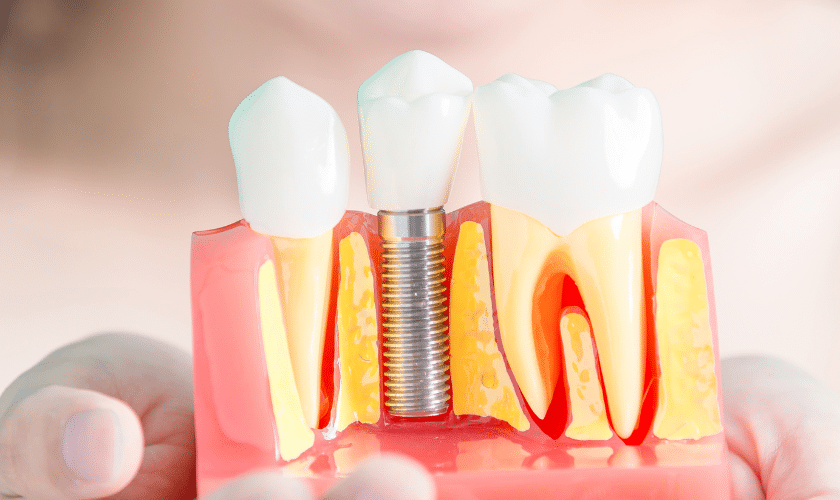
Welcome to our comprehensive guide on caring for dental implants! If you’re one of the lucky individuals who has benefited from this remarkable dental innovation, or if you’re considering getting dental implants in the near future, then you’ve come to the right place. Dental implants are not just a game-changer for your oral health; they can also significantly improve your quality of life. However, like any investment, it’s important to properly care for your dental implants to ensure their longevity and effectiveness. In this blog post, we’ll provide you with valuable tips and tricks on how to take care of your dental implants so that they can continue to enhance your smile for years to come. So grab a seat (and maybe a mirror), and let’s dive into the world of dental implant maintenance together!
What Are Dental Implants?
Individuals who have lost one or more teeth can benefit from dental implants. Unlike other tooth replacement options, such as dentures or bridges, dental implants provide a permanent and natural-looking solution that is both aesthetically pleasing and functional.
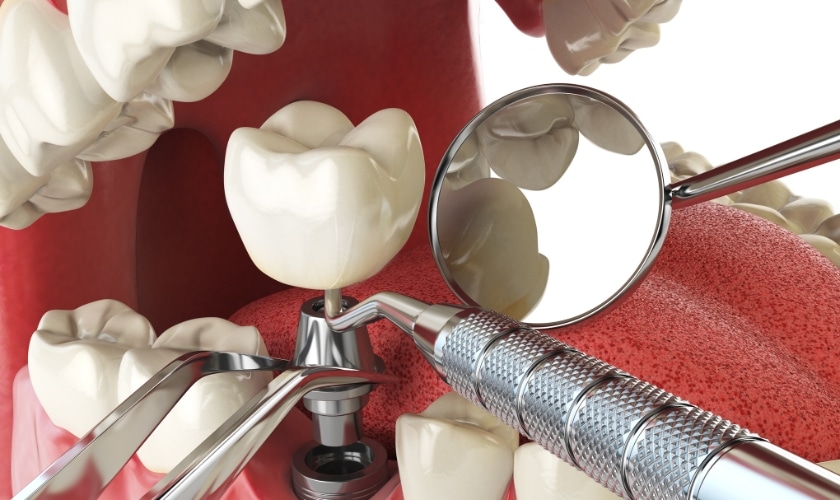
So, what exactly are dental implants? Simply put, they are artificial tooth roots made of titanium that are surgically placed into the jawbone. These implant posts act as anchors for replacement teeth or crowns. The implant fuses with the surrounding bone through a process called osseointegration, creating a strong foundation for the prosthetic tooth.
One of the key benefits of dental implants is their ability to mimic the look and feel of natural teeth. They blend seamlessly with your existing smile, giving you back your confidence to eat, speak, and laugh without any worries.
There are different types of dental implants available depending on your specific needs. Endosteal implants are the most common type and involve placing screws directly into the jawbone. Under the gum tissue, subperiosteal implants rest on top of the jawbone. Your dentist will determine which type is most suitable for you based on factors such as bone density and overall oral health.
Dental implants can last a lifetime if they are properly cared for and maintained! In our next section, we’ll delve into some essential tips on how to care for your dental implants to ensure their longevity and success in your mouth.
Benefits of Dental Implants
Dental implants offer a range of benefits that make them an excellent option for replacing missing teeth. The primary benefit of dental implants is that they are permanent. Unlike dentures or bridges, which may need to be replaced over time, dental implants are designed to last a lifetime with proper care.
One major advantage of dental implants is their ability to restore full functionality to your mouth. With dental implants, you can confidently eat all the foods you love without worrying about discomfort or slippage. They feel just like natural teeth and allow you to chew and speak naturally.
Improved oral health is another benefit of dental implants. When a tooth is missing, the surrounding teeth can shift out of place over time, causing alignment issues and potential jaw problems. Dental implants prevent this from happening by filling in the gap left by the missing tooth.
Additionally, dental implants have cosmetic benefits as well. They blend seamlessly with your existing teeth, giving you a natural-looking smile that boosts your confidence and self-esteem.
Dental implants offer numerous advantages – durability, functionality, improved oral health, and aesthetic appeal – making them an ideal choice for those seeking long-term solutions for missing teeth.
Types of Dental Implants
When it comes to dental implants, there are a few different types available. Your dentist will help determine which option is best suited for your specific needs.
1. Endosteal Implants: This type of implant is the most common and involves placing a metal post directly into the jawbone. Once the gum tissue has healed, a second surgery is performed to attach an artificial tooth to the post.
2. Subperiosteal Implants: If you have a shallow jawbone or don’t want to undergo multiple surgeries, subperiosteal implants may be recommended. These implants consist of a metal framework that sits on top of the jawbone but under the gum tissue. The artificial teeth are then attached to this framework.
3. All-on-4 Implants: For those who need extensive tooth replacement, all-on-4 implants offer an efficient solution. With this technique, four strategically placed implants support an entire arch of teeth, providing stability and functionality.
4. Zygomatic Implants: Zygomatic implants are used in cases where there is insufficient bone in the upper jaw for traditional implant placement. Instead of anchoring into the jawbone itself, these longer implants anchor into the zygoma (cheekbones), providing necessary support for prosthetic teeth.
Remember that each patient’s situation is unique and requires careful consideration by your dentist before determining which type of dental implant will work best for you!
How to Care For Your Dental Implants
One of the most important aspects of maintaining your dental implants is practicing proper oral hygiene. Regular brushing and flossing are essential to keep your implants clean and free from plaque buildup, which can lead to gum disease and implant failure.
When it comes to brushing, be sure to use a soft-bristled toothbrush and a non-abrasive toothpaste. Gently brush all surfaces of your teeth, including the areas around the implants. Pay extra attention to the gumline where bacteria tend to accumulate.
Flossing is equally crucial for implant care. Use floss or interdental brushes designed specifically for implants to clean between your teeth and around the implant posts. Be gentle yet thorough in order to remove any food particles or plaque that may have accumulated.
In addition to regular brushing and flossing, consider using an antimicrobial mouthwash recommended by your dentist. This can help reduce bacteria in your mouth, promoting healthy gums and preventing infection around the implants.
It’s also vital to schedule regular check-ups with your dentist for professional cleaning and examination of your dental implants. Your dentist will assess their condition, ensure they’re functioning properly, and address any issues before they escalate into more significant problems.
By following these tips for caring for your dental implants diligently, you’ll maximize their longevity while enjoying a healthy smile that looks natural!
Common Mistakes to Avoid
When it comes to caring for your dental implants, there are a few common mistakes that you should definitely avoid. These mistakes can not only affect the longevity of your implants but also have an impact on your oral health. So, let’s take a look at some of these common pitfalls and how you can steer clear of them.
Neglecting proper oral hygiene is a big no-no. Just because dental implants are artificial doesn’t mean they don’t require regular cleaning. Brushing twice a day and flossing daily is essential to keep plaque buildup at bay and prevent gum disease.
Another mistake people often make is using improper tools or techniques for cleaning their implants. It’s important to use soft-bristle toothbrushes and non-abrasive toothpaste to avoid damaging the implant surface.
Ignoring regular check-ups with your dentist is another mistake that many people make. Dental professionals play a crucial role in monitoring the health of your implants and identifying any potential issues early on.
Not following dietary restrictions after implant surgery can also lead to complications. Avoid hard or sticky foods that could put excessive pressure on the implant site during the healing process.
Smoking can be detrimental to the success of dental implants as it hampers blood flow and slows down healing. Quitting smoking or at least reducing tobacco consumption will greatly benefit both your overall health and the longevity of your dental implants.
By avoiding these common mistakes, you’ll be well on your way towards maintaining healthy dental implants that will last for years to come!
Tips for Optimizing Your Oral Hygiene
Maintaining proper oral hygiene is essential for the longevity and success of your dental implants. Here are some tips to help you optimize your oral hygiene routine:
1. Brush Regularly: Brushing your teeth at least twice a day is crucial for removing plaque and bacteria that can accumulate around your dental implants. Use a soft-bristled toothbrush and gentle, circular motions to clean all surfaces of your teeth.
2. Floss Daily: Flossing helps remove food particles and plaque from between the teeth and around the implant area. Be sure to use a floss threader or interdental brush specifically designed for implants to avoid damaging the surrounding tissues.
3. Use an Antibacterial Mouthwash: Rinse with an antibacterial mouthwash after brushing and flossing to further reduce bacteria in your mouth. Look for one that is alcohol-free, as alcohol can cause dryness or irritation in some individuals.
4. Avoid Tobacco Products: Smoking or using other tobacco products can increase the risk of complications with dental implants, such as implant failure or gum disease. Quitting smoking not only benefits your overall health but also contributes to better oral hygiene.
5. Visit Your Dentist Regularly: Schedule regular check-ups with your dentist every six months so they can monitor the health of your dental implants and provide professional cleaning if necessary.
By following these tips, you can ensure optimal oral hygiene and maintain healthy dental implants for years to come! Remember, always consult with your dentist before making any changes to your oral care routine.
When it comes to caring for your dental implants, following a diligent oral hygiene routine is crucial. By properly maintaining your implants, you can enjoy their benefits for years to come.
Remember to brush your teeth at least twice a day using a soft-bristled toothbrush and fluoride toothpaste. Pay extra attention to the areas around your implants, ensuring that you remove any plaque or food particles that may have accumulated.
Flossing is also essential in preventing gum disease and maintaining the health of your dental implants. Use a floss threader or interdental brushes specifically designed for implant care to clean between the implant and surrounding gums.
Regular visits to your dentist are vital as well. They will examine the condition of your dental implants, perform professional cleanings, and address any potential issues before they escalate.
In addition to proper oral hygiene practices, it’s important not to engage in habits that could damage your dental implants. Avoid biting down on hard foods or objects like ice cubes or pens and refrain from smoking as it can impair healing and increase the risk of complications.
By incorporating these tips into your daily routine, you can maintain the longevity and functionality of your dental implants while enjoying a healthy smile!
FAQ
1. How long do dental implants last?
Dental implants are designed to be a permanent solution for replacing missing teeth. With proper care and maintenance, they can last a lifetime. However, individual results may vary depending on factors such as oral hygiene habits, overall health, and the quality of the implant procedure.
2. Is the dental implant procedure painful?
Most patients report minimal discomfort during the dental implant procedure. Local anesthesia is used to numb the area before starting the surgery, ensuring that you feel little to no pain during the placement of the implant post. Afterward, mild soreness or swelling might occur but can usually be managed with over-the-counter pain medication.
3. Can anyone get dental implants?
In general, most people who are in good overall health and have sufficient jawbone density can be candidates for dental implants. However, certain conditions such as uncontrolled diabetes or smoking may affect your ability to receive implants. A thorough evaluation by your dentist or oral surgeon will determine if you are a suitable candidate.
4. Are there any restrictions after getting dental implants?
It is important to follow your dentist’s post-operative instructions carefully after receiving dental implants to ensure proper healing and integration of the implant into your jawbone. This may include avoiding hard foods or hot beverages immediately after surgery and maintaining good oral hygiene practices.
5. Will my insurance cover dental implant costs?
Insurance coverage for dental implants varies depending on your specific policy and provider. While some plans provide partial or full coverage for implant procedures, others may consider them cosmetic and not cover them at all.

Find out if you qualify for Implants.life dental implants in less than 2 min.
Click Here
Click Here