

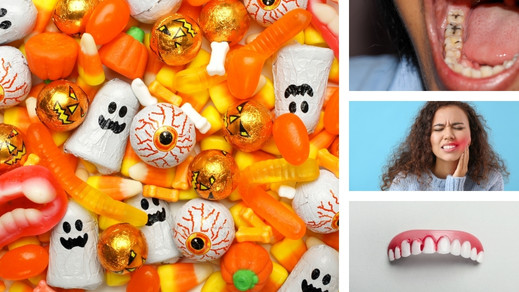
Every October, people eagerly anticipate Halloween, with Americans spending over $3 billion on candy. As people roam the streets, collecting sugary treats, they should consider the effects on their teeth. With each candy bar, people face a sweet temptation and potential dental risks. This blog aims to highlight how sugar affects oral hygiene, especially during this candy-centric season.
As we indulge in delicious treats, it is crucial to understand sugar’s impact on our oral health. With sugar consumption at its peak during Halloween, learning about its effects can help maintain healthy smiles for the little ghouls and goblins.
The Sweet Truth About Sugar
What is Sugar?
Sugar comes in various forms, including sucrose, glucose, and fructose. Sucrose is the most common form found in table sugar and candy. Glucose occurs naturally in fruits, while fructose is a sugar in fruits and honey.
Common Sources of Sugar in Halloween Treats
Halloween brings an array of sugary delights, often laden with calories. Popular candies like Snickers contain about 27 grams of sugar, while a fun-sized Reese’s Peanut Butter Cup has around 5 grams. Even seemingly harmless treats like candy corn can pack a punch with 6 grams per serving. Understanding these sugar levels helps people make informed choices.
How Sugar Affects Oral Health?
The Science Behind Sugar and Cavities
When you eat sugary foods, sugar interacts with bacteria in your mouth, creating a harmful environment. The primary bacteria responsible for cavities are Streptococcus mutans. These bacteria thrive on sugar, converting it into acid.
This acid production begins just minutes after sugar consumption and can last for several hours. As these acids accumulate, they start to erode tooth enamel, the protective outer layer of your teeth.
Tooth enamel is crucial for protecting teeth from decay. When it becomes weakened, cavities, which are essentially holes in the teeth, form.
If left untreated, these cavities can deepen, potentially resulting in severe pain and infection that may require dental intervention. Regularly consuming sugary snacks can create a cycle of acid attacks, leading to repeated damage and, ultimately, more cavities.
Impact on Gums and Overall Oral Hygiene
Sugar affects teeth and plays a significant role in gum health. When sugar intake increases, plaque—a sticky film of bacteria—builds up on teeth and gums.
If plaque is not removed through proper brushing and flossing, it can harden into tartar, which irritates the gums. This irritation leads to gingivitis, an early stage of gum disease characterized by red, swollen gums that may bleed during brushing.
If gingivitis is not addressed, it can progress to periodontitis, a more severe condition that can damage the bone supporting the teeth and, if untreated, lead to tooth loss.
Moreover, research indicates that gum disease can contribute to other health issues, including heart disease and diabetes. Thus, maintaining good oral hygiene is essential, especially in a sugar-rich environment, to prevent both cavities and gum disease.
Halloween Candy and Dental Health: The Good, The Bad, and The Ugly
Best Choices for Dental Health
Not all candies are created equal when it comes to oral health. Dark chocolate, for example, contains less sugar and has potential health benefits due to antioxidants. Chewy candies, like gummy bears, stick to teeth and can lead to prolonged exposure to sugar.
Worst Offenders
Sticky candies pose a significant risk to dental health. Taffy, caramels, and sour gummies cling to teeth, allowing sugar to linger and wreak havoc. Hard candies can also damage teeth if bitten down too hard. While they might be tempting, it is best to consume these candies in moderation to avoid dental problems.
Tips for Maintaining Oral Hygiene During Halloween
Moderation is Key
Encouraging moderation in candy consumption helps protect dental health. Instead of allowing unrestricted access to candy, set limits on how much you can eat daily. This approach minimizes the risks associated with excessive sugar intake.
Rinsing and Brushing
Rinsing with water after consuming sweets can help wash away sugar residue. Additionally, brushing your teeth at least twice a day is essential. Use fluoride toothpaste to strengthen enamel and reduce the risk of cavities. Brush for at least two minutes to cover all tooth surfaces.
Alternatives to Candy
Consider offering healthier snack alternatives. Fruits like apples and pears provide natural sweetness while promoting dental health. Nuts and yogurt can also be great snacks, helping to satisfy sweet cravings without the added sugar.
Fun Halloween-Themed Oral Hygiene Activities
DIY Dental Treats
Create healthy treats together, like yogurt-covered fruit. Simply dip strawberries in yogurt and freeze them for a fun snack. This tasty treat provides a sweet alternative without damaging teeth.
Oral Hygiene Challenges
Introduce a Halloween challenge. Encourage everyone to limit candy intake and maintain oral hygiene. Set a goal, like brushing after every sweet treat, to help you develop healthy habits while having fun.
As Halloween approaches, understanding how sugar affects oral hygiene becomes crucial. Sugar contributes to tooth decay and gum disease, especially with the influx of candy. By making informed choices and encouraging good oral habits, we can ensure that Halloween is a time for fun and healthy smiles. Enjoy the treats, but remember to balance them with care for those precious teeth!
Find out if you qualify for Implants.life dental implants in less than 2 min.
Click Here
Click Here