


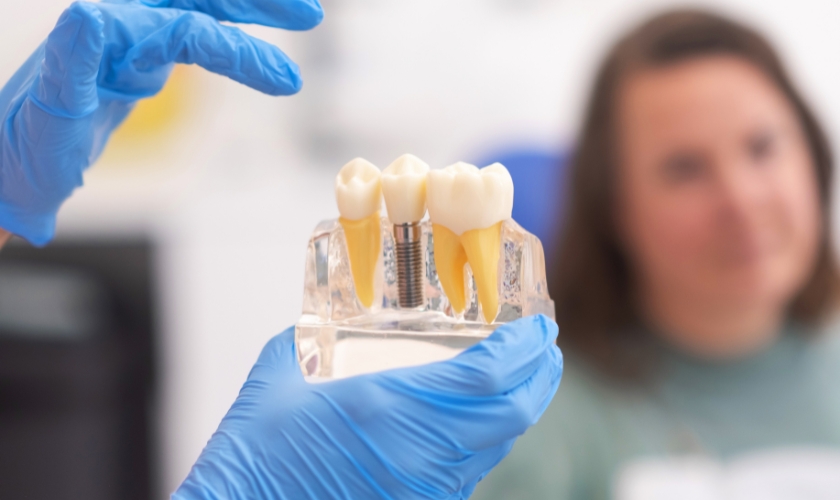
Dental implants rely on a stable jawbone support foundation to function and remain stable over time. Bone loss can be a major obstacle for patients who are contemplating implants and lasting smile restoration. Many patients do not realize how much jawbone quality affects implant success and longevity. Bone grafting is the unavoidable alternative when there is not enough natural bone to place an implant.
This blog explains the causes of bone loss, indications for grafting, treatment, and suitability for implants.
Why Healthy Bones Are Essential to Dental Implants
The bone in the jaw supports dental implants and facilitates their integration with surrounding tissues. Insufficient bone density can compromise implant stability and increase failure rates with time. Implants require adequate bone to support chewing function, aesthetics, and long-term durability.
Grafting procedures avoided when the bone is poor will far too frequently result in unstable or failed dental implants. Healthy bone ensures good osseointegration with strong support for patients in the form of stable, functional, and long-term implant-supported restorations.
Common Causes of Jawbone Loss
When teeth are lost without replacement, there is resorption of the jawbone and significant volume loss. Gum disease ravages supporting structures and accelerates bone loss around missing teeth. Trauma or injury can weaken bone structure and limit space for dental implants.
Normal aging permits slow bone resorption and makes it increasingly difficult to successfully place implants. Improperly fitting dentures cause uneven forces, accelerate bone loss, and complicate future dental implants.
Signs That You May Need Bone Grafting
Loose or mobile teeth usually suggest a compromised jawbone not capable of supporting dental implants. Sunken or collapsed facial appearance suggests severe bone resorption that requires surgical grafting. Chewing problems or bite changes reveal bone decay that prevents implant placement viability.
Dental implants in Peabody need careful examination with 3D scans to properly establish bone density. Dentists identify weak points in the bone, and grafting is recommended before resorting to implant surgery.
What is Bone Grafting for Implants?
Bone grafting supports areas where implants need additional support for placement. Autografts involve a patient’s bone and give natural compatibility in recovery. Allografts use donor bone processed for stable and predictable integration with dental implants. Xenografts involve animal bone, and synthetic materials are good mimics of natural bone function.
The procedure substitutes missing bone and gives a stronger base for implants.
When Bone Grafting is Necessary
Severe bone loss after years of toothlessness might require grafting before dental implants in Peabody. Gum disease-related bone loss patients are assisted with grafting before implantation. Multiple missing teeth might require grafting in preparation for implants.
Prevents implant failure in most situations by giving the bone support before permanent placement. Bone grafting ensures proper integration of the implants and gives stability, strength, and long-term function.
Bone health directly affects the long-term survival and stability of dental implants. Consulting with an adept implant dentist ensures accurate evaluation and treatment planning for your needs. Bone grafting creates a solid foundation and supports implants to endure for years with confidence.
Schedule an appointment now with us and discuss dental implants with grafting options for lasting results.

Find out if you qualify for Implants.life dental implants in less than 2 min.
Click Here
Click Here