


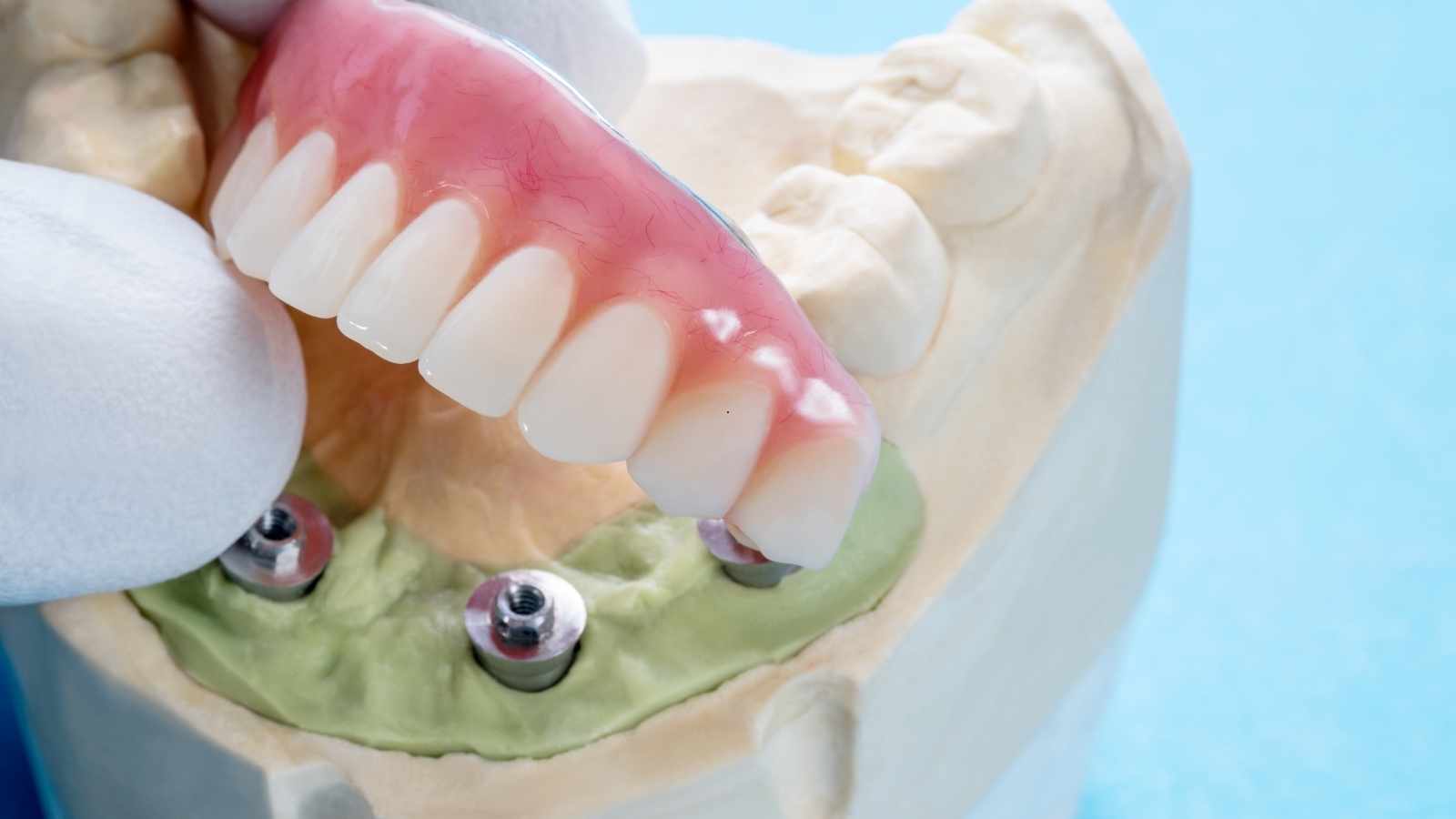
Losing teeth or suffering from severe jawbone loss can feel devastating. This affects a person’s appearance and ability to chew and speak properly. For many patients, traditional dental implants are not an option due to insufficient bone in the jaw. This can be caused by tooth loss, trauma, or even disease. When bone loss reaches a certain point, conventional implants cannot anchor securely.
Zygomatic implants offer new hope to these “untreatable” patients. Unlike traditional implants, which rely on the jawbone, zygomatic implants use the cheekbone (zygomatic bone) for support. This innovation provides a reliable solution for those with no other options.
This blog will explore zygomatic implants—what they are, how they work, and who benefits from them. You will also learn about their advantages, the procedure, and why they are game-changers for many people.
Understanding Zygomatic Implants
What are Zygomatic Implants?
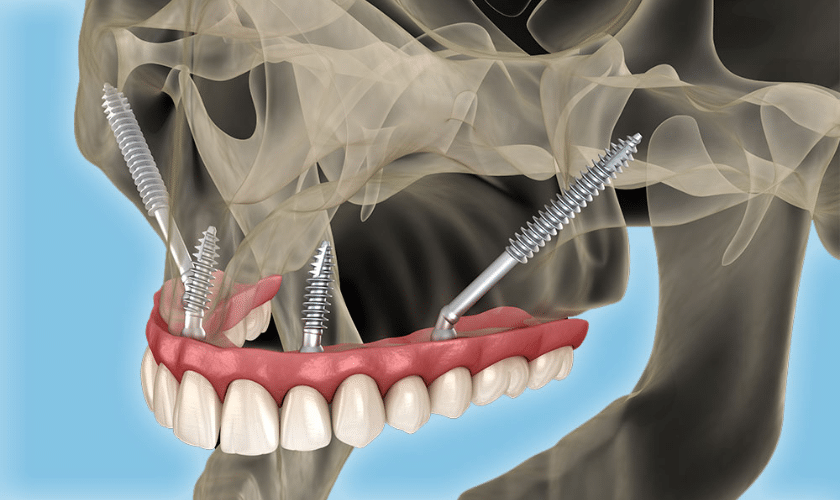
Zygomatic implants are a specialized type of dental implant designed for patients with severe jawbone loss. Unlike traditional implants, which anchor into the jawbone, zygomatic implants are placed in the zygomatic bone, also known as the cheekbone. This bone is much denser and does not undergo the same level of atrophy as the jawbone, making it an ideal anchor point for dental implants.
Traditional dental implants are usually placed into the jawbone, which provides a stable foundation for prosthetic teeth. However, when significant bone loss occurs, there may not be enough jawbone to support these implants. This is where zygomatic implants shine. They bypass the jawbone entirely and instead use the strong zygomatic bone to hold the implant.
This technique is especially useful for patients who have been told they are not candidates for regular dental implants due to insufficient bone.
Why Traditional Implants Fail for Some Patients?
Traditional dental implants rely heavily on the jawbone for support. When a tooth is lost, the jawbone shrinks over time due to a lack of stimulation from chewing. This process, called jawbone atrophy, can result from trauma, tooth loss, or disease such as periodontitis.
When jawbone atrophy reaches an advanced stage, the bone becomes too thin or weak to hold a dental implant securely. To overcome this, many patients undergo bone grafting, which helps to regenerate the lost bone.
However, this procedure is invasive, time-consuming, and does not always guarantee success. For patients with severe bone loss, even bone grafting may not be sufficient to support traditional implants. This is where zygomatic implants come in, offering a solution that bypasses the need for bone grafts by anchoring directly to the cheekbone.
The Advantages of Zygomatic Implants
For Whom Are They Ideal?
Zygomatic implants are ideal for patients with severe bone loss in the upper jaw. These patients often face rejection for traditional implants because there’s simply not enough bone to support them.
Individuals who have suffered from advanced gum disease or trauma or have been without teeth for an extended period are prime candidates for this procedure. Zygomatic implants are also suitable for patients who have previously undergone unsuccessful bone grafts or multiple failed implant procedures.
In short, they offer hope for individuals who were once considered “untreatable” and may have thought dentures were their only option.
No Need for Bone Grafting
One of the biggest advantages of zygomatic implants is that they eliminate the need for bone grafting. Traditional implants often require bone grafts if the patient’s jawbone has deteriorated significantly.
Bone grafting is a surgical procedure that involves transplanting bone tissue to rebuild the jaw. This process can take months to heal and adds significant time and cost to the overall treatment.
Zygomatic implants bypass this entirely by securing themselves in the cheekbone, which typically remains unaffected by the bone loss in the jaw. This reduces the overall treatment time, speeds up recovery, and avoids the discomfort of bone grafting.
Immediate Loading
Another significant advantage of zygomatic implants is the ability to “immediately load” them. This means that, in many cases, patients can have a temporary prosthesis placed on the same day as the surgery. Traditional implants often require several months of healing before the final teeth can be attached.
However, because the zygomatic bone is much denser and stronger than the jawbone, it allows for immediate placement of a temporary prosthetic.
This means patients can leave the clinic with a fully functional set of teeth on the same day, avoiding long waiting periods and additional procedures.
High Success Rates
The success rates of zygomatic implants are incredibly high. Studies show that they can have success rates upwards of 96-98%, making them a reliable option for patients with advanced bone loss. This is partly due to the strength and density of the zygomatic bone, which provides a stable foundation for the implants.
Moreover, the need for fewer surgeries and the elimination of bone grafting increase the likelihood of a successful outcome.
The Procedure: How Zygomatic Implants Work?
Preoperative Assessment
Before the surgery, a thorough preoperative assessment is necessary. This includes advanced imaging techniques like CT scans or 3D imaging, which allow the surgeon to study the patient’s anatomy in detail. The dentist will assess the quality of the zygomatic bone, the extent of jawbone loss, and the overall health of the patient.
Preoperative planning is crucial for determining the number of implants needed and their precise placement. If some parts of the jawbone remain viable, the dentist may suggest placing zygomatic implants in combination with traditional implants for patients with severe bone loss.
Surgical Procedure
The surgery itself is usually performed under general anesthesia or intravenous sedation, depending on the patient’s preference and the complexity of the case. The oral surgeon makes an incision in the upper gum to expose the cheekbone, where the implant is anchored.
The zygomatic implants are typically longer than traditional implants due to the need to reach the zygomatic bone. Once the implants are in place, they provide a strong, secure base for the temporary prosthesis.
Patients often receive a temporary set of teeth on the same day. It allows them to leave the clinic with a fully functional smile.
Recovery Process
The recovery period after receiving these implants is similar to traditional implants, though it can be quicker since bone grafting is usually not involved. Most patients experience mild swelling and discomfort for a few days following the procedure. Although, it can be managed with prescribed painkillers and rest.
Patients can typically return to normal activities within a week, though they should follow their dentist’s instructions regarding diet and oral hygiene. Regular follow-up appointments are essential to ensure proper healing and the successful integration of the implants into the cheekbone.
Zygomatic implants are a life-changing solution for people who have been told they are untreatable due to severe bone loss. They provide a second chance for those unable to receive traditional dental implants. It allows them to regain not only their smile but their quality of life.
If you or someone you know has been turned away from traditional implants, consider consulting with our dental specialists to explore whether zygomatic implants are the right option for you.
Find out if you qualify for Implants.life dental implants in less than 2 min.
Click Here
Click Here