

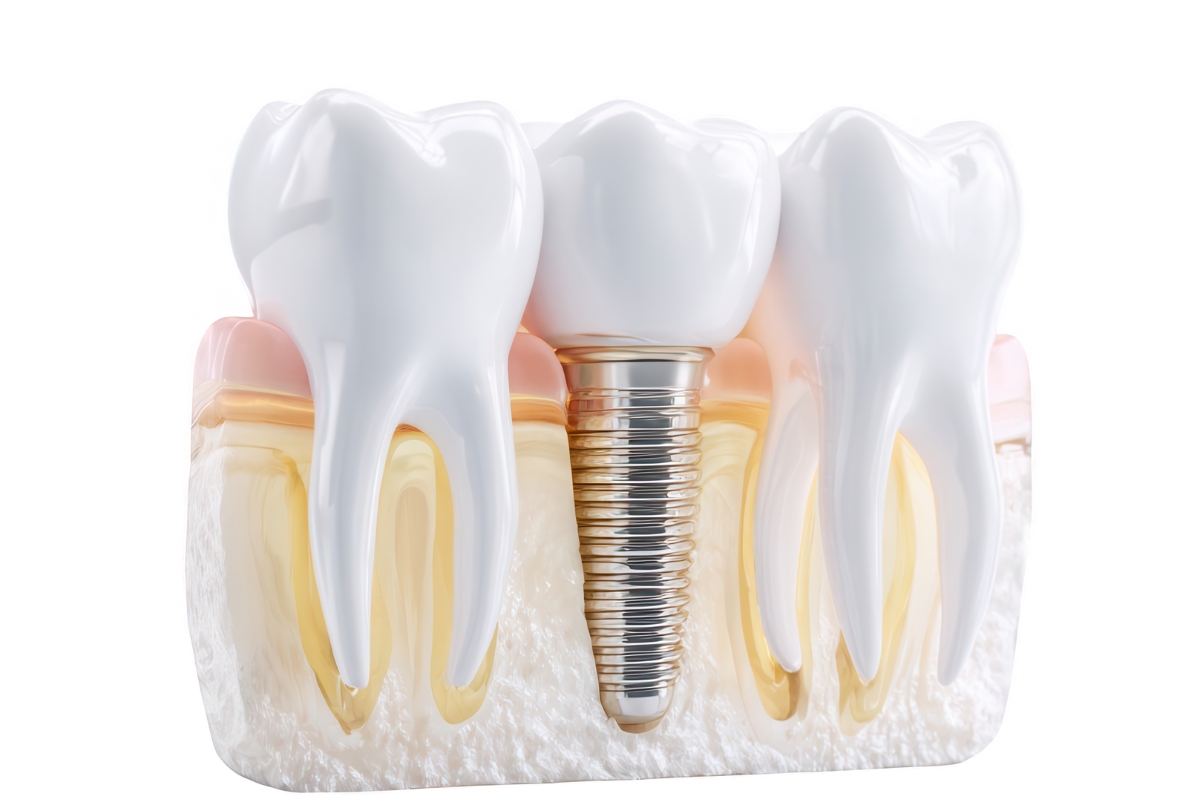
Dental implants have become a go-to fix for missing teeth—strong, reliable, and pretty much indistinguishable from the real teeth. Titanium used to be the gold standard, but lately, more people are asking about zirconia implants. Why? They look great, blend in naturally, and, for some patients, they just work better with their bodies. But here’s what everyone wants to know: do zirconia implants help cut down on allergies or gum problems? Let’s dive deep into it.
What are zirconia implants?
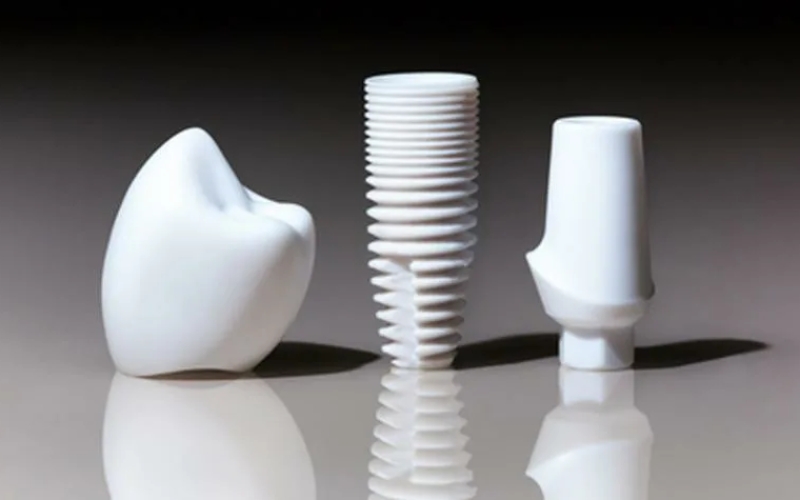
Zirconia implants are made from a sturdy ceramic material that mimics the color of your teeth. Titanium has that telltale metal shine, but zirconia? It’s non-metallic, so it looks more like your natural teeth. So, it’s more convenient if you’re getting an implant that everyone can see.
People like zirconia for more than just the looks. It resists corrosion and wear, which means it lasts. Plus, it’s grabbing attention for how friendly it is to your body—especially if you’re sensitive to metals. Metal allergies are rare, but they happen. Some patients experience gum irritation or more serious reactions to titanium, which can also cause trouble with implants. Zirconia reduces that risk. No metal, no worries about your body reacting to it. If you’ve had issues with metal-based implants or just want to play it safe, zirconia gives you peace of mind.
How Zirconia Reduces Gum Irritation
Titanium, being a metal, can sometimes irritate the tissues around it or make it easier for bacteria to cause harm, especially if the implant doesn’t bond well with the bone. That can leave your gums inflamed or sore. But a zirconia implant is smooth and doesn’t give bacteria much to cling to. It’s also more “biologically friendly,” which helps your gums heal and stay healthy. Result? Less irritation, better integration, and generally healthier gums.
What sets zirconia apart from titanium?
Here’s the quick list:
- It’s non-metallic, so there’s less risk for anyone sensitive or allergic to metals.
- The color matches real teeth, which matters if you care about aesthetics.
- High biocompatibility means your body is more likely to accept it without any drama.
- The smooth surface resists bacteria, keeping your gums in great shape.
Sure, zirconia implants usually cost more than titanium. But if it means fewer complications and a smoother healing process, many people think it’s worth the investment.
Bottom Line
Zirconia implants lower the chances of allergic reactions and gum irritation. They look good, they’re gentle on your tissues, and they’re a solid option if you want to avoid metal. If you’re worried about allergies or just like the most natural-looking implant, zirconia is definitely worth a look. Still, talk to your dentist about what’s best for you—they’ll consider your health history and your dental needs before making a recommendation.
Want to know more? Book a consultation with our team. We’ll help you decide whether zirconia implants are the right fit for your smile.
FAQs
- What is the difference between zirconia and titanium implants?
Zirconia implants are ceramic, while titanium implants are metal. Zirconia is often chosen for its metal-free nature, making it ideal for patients with metal allergies. - Are zirconia implants suitable for everyone?
Zirconia implants are an excellent option for those with metal sensitivities or those who want a more aesthetic solution. However, the decision should be made with your dentist based on your individual needs. - How long do zirconia implants last?
Zirconia implants are known for their durability and can last many years with proper care, similar to titanium implants. Regular dental check-ups are essential for maintaining the health of your implants. - Do zirconia implants require special care?
Zirconia implants require the same care as traditional implants. Regular brushing, flossing, and dental visits are essential to prevent gum irritation and ensure the implant lasts.
Find out if you qualify for Implants.life dental implants in less than 2 min.
Click Here
Click Here