


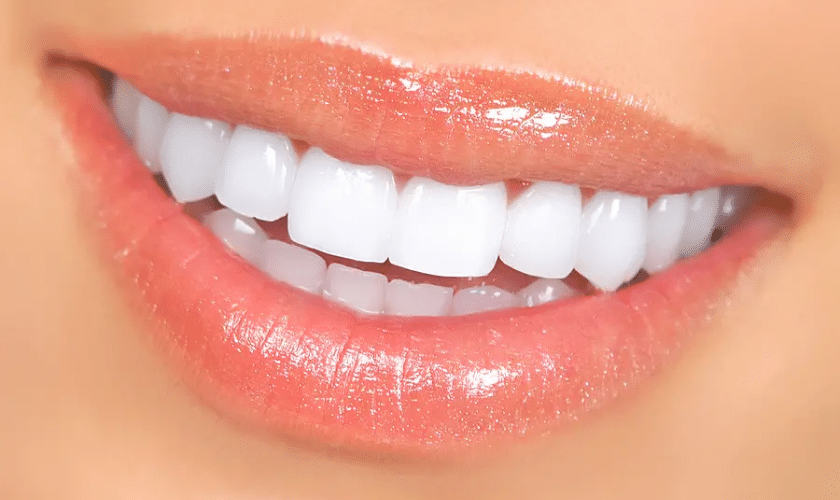
In the ever-evolving field of dentistry, innovations come and go, but some truly transform the landscape of dental care. One such breakthrough is the implant bridge. Offering a perfect blend of functionality, aesthetics, and durability, implant bridges are fast becoming the gold standard for replacing missing teeth. In this blog, we will delve deep into why implant bridges are revolutionizing dental care, their benefits, and how they compare to traditional solutions.
The Evolution of Dental Solutions
The history of dental prosthetics is as long and varied as the history of mankind itself. From early rudimentary replacements to modern sophisticated implants, the journey has been remarkable. Traditionally, options for missing teeth included dentures and fixed bridges. While these methods provided solutions, they were not without their drawbacks.
Dentures, for instance, can be uncomfortable and may slip, causing embarrassment and inconvenience. Fixed bridges, on the other hand, often require the alteration of healthy adjacent teeth, potentially compromising their integrity. Both solutions, while effective to some extent, fall short in providing a permanent and natural-feeling replacement for lost teeth.
Enter the Implant Bridge
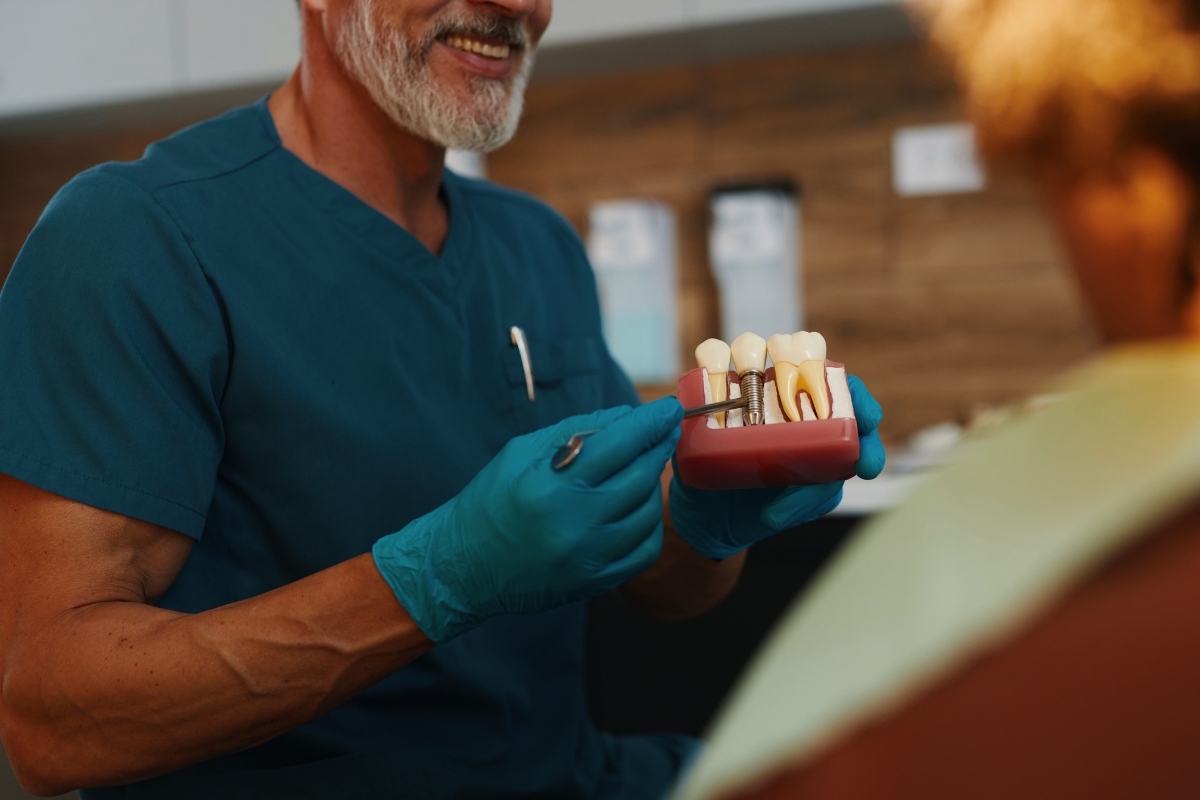
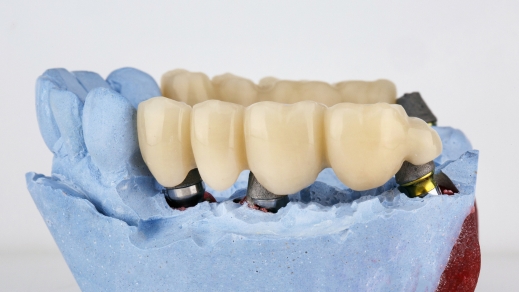
Implant bridges represent a quantum leap forward in dental technology. Unlike traditional dentures and fixed bridges, implant bridges do not rely on neighboring teeth for support. Instead, they are anchored directly into the jawbone using dental implants, which are titanium posts that integrate with the bone through a process called osseointegration. This creates a stable and robust foundation for the bridge.
Benefits of Implant Bridges
- Natural Look and Feel: Implant bridges are designed to mimic the appearance and function of natural teeth closely. The crowns are crafted to match the color, size, and shape of your existing teeth, ensuring a seamless and natural look. This results in not only a beautiful smile but also a natural feel when speaking, chewing, and biting.
- Enhanced Comfort: Since implant bridges are anchored securely in the jawbone, they offer a level of comfort and stability that traditional dentures simply cannot match. There’s no risk of slipping or shifting, which means you can enjoy your favorite foods and activities without worry.
- Preservation of Jawbone and Facial Structure: One of the most significant benefits of implant bridges is their ability to prevent bone loss. When a tooth is lost, the jawbone in the empty space begins to deteriorate due to lack of stimulation. Implants provide the necessary stimulation to maintain bone density, preserving the natural contours of your face and preventing the sunken appearance often associated with tooth loss.
- Longevity and Durability: With proper care, implant bridges can last a lifetime. They are highly durable and resistant to decay, making them a long-term investment in your oral health. Unlike traditional bridges, which may need to be replaced every 10-15 years, implant bridges offer a more permanent solution.
- Improved Oral Health: Implant bridges do not require the alteration of adjacent healthy teeth, preserving your natural tooth structure. They also simplify oral hygiene maintenance since they don’t need special cleaning solutions or adhesives. Regular brushing and flossing, along with routine dental check-ups, are sufficient to keep your implant bridge in good condition.
- Boosted Confidence: The psychological impact of missing teeth can be profound, affecting self-esteem and social interactions. Implant bridges restore not only your smile but also your confidence, allowing you to engage fully in life without the worry of dental issues.
The Procedure: What to Expect
Getting an implant bridge typically involves several stages, ensuring a customized fit and optimal outcome.
Here’s a detailed, step-by-step guide to the process:
- Consultation and Planning: The journey begins with a comprehensive dental examination, including X-rays and possibly 3D imaging, to assess the condition of your jawbone and plan the placement of the implants. Your dentist will discuss your goals and expectations, ensuring you are a good candidate for the procedure.
- Implant Placement: During the first surgical procedure, the dental implants are placed into the jawbone. This is usually done under local anesthesia, though sedation options are available for those who are anxious. After placement, a healing period of several months is necessary for the implants to integrate with the bone.
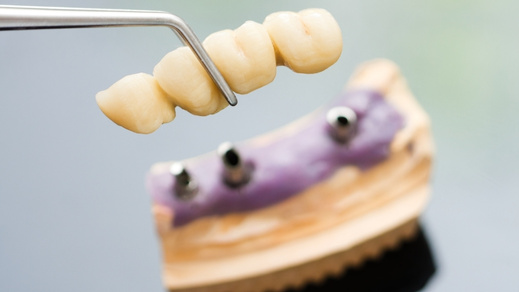
- Abutment Placement: Once the implants have successfully fused with the jawbone, a second minor procedure is performed to attach abutments, which are connectors that will hold the bridge.
- Bridge Fabrication and Placement: Impressions of your mouth are taken to create a custom bridge that fits perfectly. Once ready, the bridge is attached to the abutments, completing the process.
Comparing Implant Bridges to Traditional Solutions
While both traditional bridges and dentures have their place, implant bridges offer several distinct advantages:
- Stability: Unlike dentures, which can slip and require adhesives, implant bridges are secure and stable.
- Jawbone Preservation: Implant bridges help maintain bone density, whereas dentures and traditional bridges do not.
- Aesthetics and Comfort: Implant bridges look and feel like natural teeth, enhancing both appearance and comfort.
- Longevity: Implant bridges typically last longer than traditional bridges and dentures, providing a more permanent solution.
The Future of Dental Care
The advent of implant bridges marks a significant milestone in dental care, offering a reliable, long-lasting, and aesthetically pleasing solution for missing teeth. As technology continues to advance, we can expect further improvements in materials, techniques, and success rates, making implant bridges an even more attractive option for patients worldwide.
A New Era in Dental Care
Implant bridges are truly revolutionizing the field of dental care. By addressing the shortcomings of traditional dentures and bridges, they provide a solution that is both functional and beautiful. Whether you have lost teeth due to injury, decay, or other reasons, implant bridges offer a path to restoring not only your smile but also your quality of life. As more people become aware of their benefits, implant bridges are set to become the standard for tooth replacement, ushering in a new era of dental health and wellness.
Find out if you qualify for Implants.life dental implants in less than 2 min.
Click Here
Click Here