


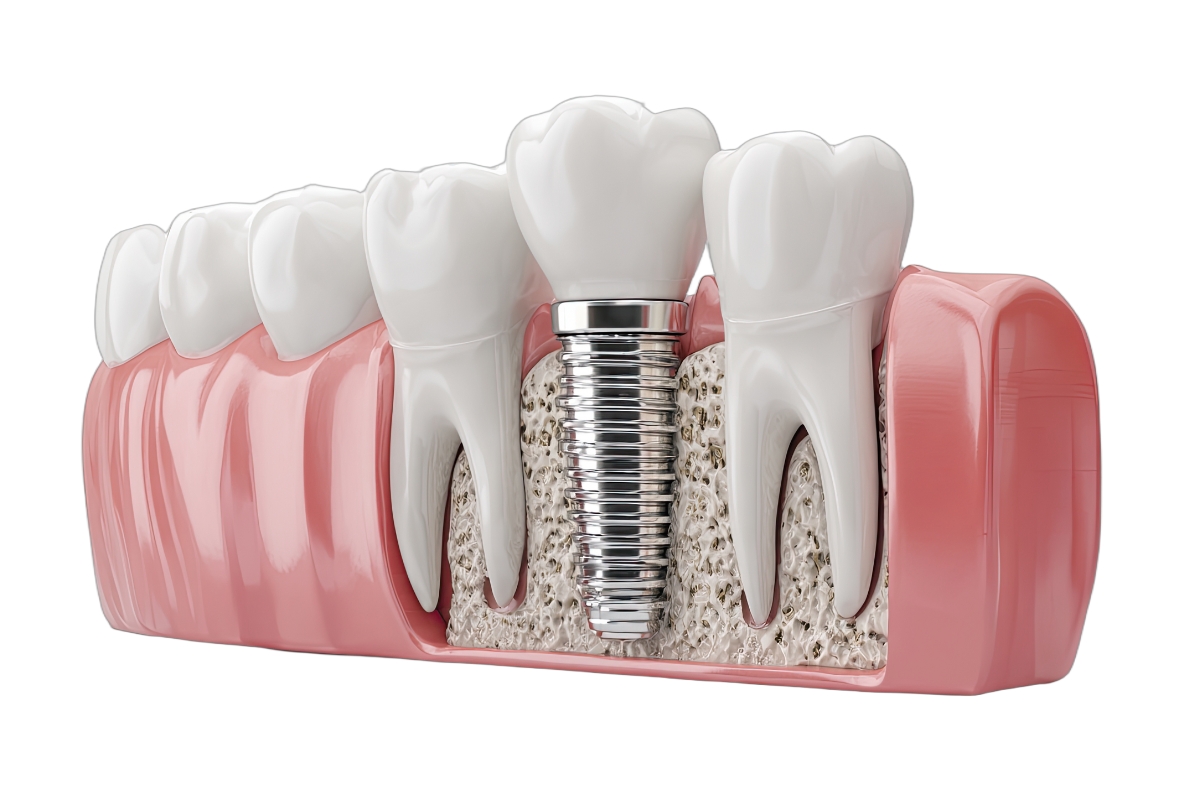
A missing tooth can be embarrassing and uncomfortable, both physically and emotionally. Whether due to an injury, dental decay, or some other problem, losing a tooth can impact the way you eat, speak, and even smile with confidence. If you are considering replacing that missing tooth, you might have heard of dental implants by now. These modern solutions replace lost teeth with restorations that look, feel, and function like natural teeth.
However, before you opt for a single dental implant, understand the health requirements for successful integration. Not everyone should get an implant, as this is a serious decision that requires careful consideration and evaluation by an implant dentist. In this blog, we will cover the main factors that determine whether you are a good candidate for a single dental implant and the steps you should take for a successful procedure.
What Are Single Dental Implants?
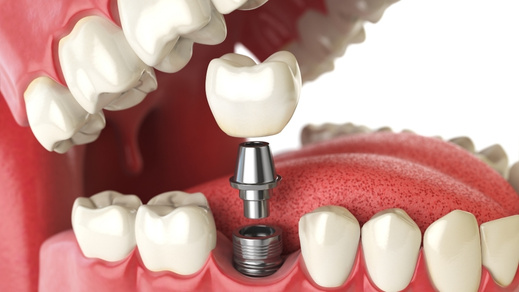
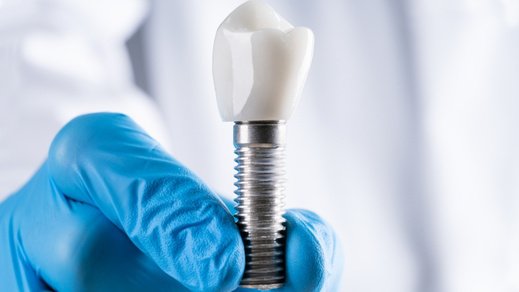
A single dental implant is a surgically placed titanium post in the jaw where it serves as the root for a missing tooth. A custom-made crown, which goes on top of the implant, restores function and aesthetic appearance, similar to a natural tooth, once the implant is fully integrated into the bone.
Here is why you may need a single dental implant in Peabody, MA:
- Single Missing Tooth Replacement: It is ideal for the replacement of just a single lost tooth.
- Prevents Bone Loss: The implant stimulates the jawbone, thereby preventing deterioration.
- Restores Full Functionality: With implants, you can eat, speak, and smile comfortably.
While dental implants offer many advantages, there is one critical consideration: not everyone can have them.
Key Health Requirements for a Successful Implant
To qualify for a single implant, certain health conditions must be met. The most crucial factor is the health of your jawbone. Unlike dentures, which rest on the gums, dental implants rely on the bone for stability.
1. Sufficient Bone Density:
The jawbone must be dense and healthy enough to support the titanium implant. If there’s not enough bone, you may need additional procedures like a bone graft before getting the implant.
2. Healthy Gums:
To support your implant and prevent infection, healthy gums are essential. Complications might occur from gum disease, so it is necessary to treat any gum issues before moving forward with an implant.
3. Overall Health:
Your general health also plays a role in implant success. Conditions like uncontrolled diabetes or other systemic health problems may interfere with healing. An implant dentist will review your medical history to ensure that you are in good health before proceeding.
The Single Implant Process: Step by Step
Understanding the implant procedure will help you make an informed decision and feel more at ease. Here’s an overview of what you can expect during the implant process:
1. Initial Consultation and Evaluation:
- Full oral examination
- X-rays to assess bone density
- Discussion of your medical history
2. Implant Placement:
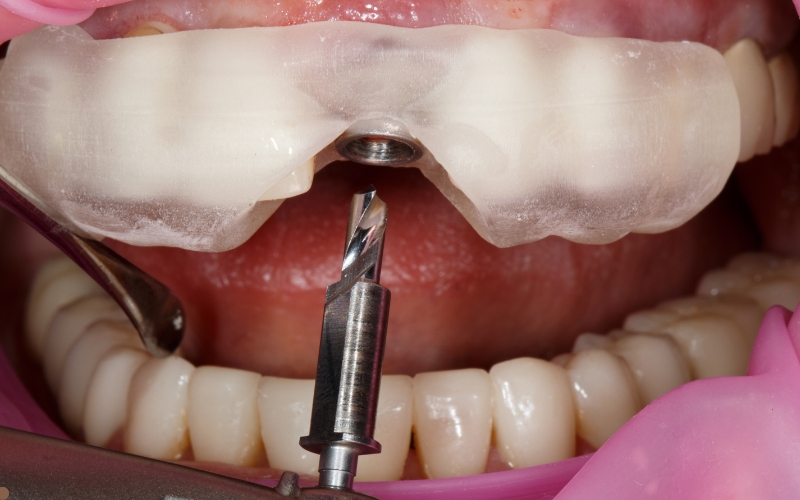
- The implant is surgically placed into the jawbone.
- Healing time is required to allow the implant to integrate.
3. Crown Placement:
- After healing, a custom crown is placed on the implant.
- Final adjustments for bite and comfort.
Why Choose a Dental Implant?
A single dental implant offers many advantages over other tooth replacement options, such as bridges or dentures. Implants are long-lasting, look natural, and require less maintenance compared to removable dentures. The benefits of choosing a single dental implant are as follows:
- Improved Comfort: Implants feel like natural teeth, offering greater comfort than dentures.
- Long-Term Solution: Implants are durable and can last a lifetime with proper care.
- Natural Appearance: A well-made implant looks indistinguishable from your natural teeth.
Are You a Candidate for a Single Dental Implant?
To know if you are a good candidate for a single dental implant, here’s a simple checklist:
- Do you have one missing tooth?
- Is your jawbone healthy, or can it be treated?
- Do you have healthy gums?
- Are you in good overall health?
If your answers to these questions are “yes, you are likely a good candidate for a single dental implant. However, a consultation with an implant dentist is essential to determine the best course of action based on your unique situation.
The Healing Process After Implant Placement
After the implant is placed, healing takes time. The jawbone needs to fuse with the titanium post in a process called osseointegration. This process might take anywhere between 3 and 6 months. During this time, it is essential to follow your dentist’s instructions carefully to ensure optimal healing.
- Follow-Up Appointments: Regular check-ups are needed to monitor the healing process.
- Avoid Strenuous Activity: Take it easy to prevent complications during recovery.
Ready to Restore Your Smile?
Single dental implants can be a life-changing solution for those looking to restore their smile and regain confidence. Whether it is replacing a single missing tooth or improving overall dental health, this procedure offers a long-term solution that looks and feels natural.
If you believe you are a candidate for a single dental implant, do not wait to take the next step. Contact Implants. Life today, and schedule a consultation with us. We are here to guide you every step of the way toward a brighter, healthier smile!
FAQs
1. How long do single dental implants last?
With proper care, single dental implants can last a lifetime, making them a durable and reliable tooth replacement option.
2. Can I get a single dental implant if I have gum disease?
Gum disease must be treated first before placing an implant. Healthy gums are necessary for a successful implant integration.
3. How painful is the single dental implant procedure?
The procedure is performed under local anesthesia, so you won’t feel pain. Afterward, mild discomfort may occur, but it can be managed with over-the-counter pain relievers.
4. How long does the healing process take for a dental implant?
Healing typically takes 3 to 6 months as the implant integrates with the bone, but the overall process can take up to a year from start to finish.
5. Can I eat normally with a dental implant?
Once fully healed, you can eat normally with a dental implant. It functions just like a natural tooth.
6. Are there any age restrictions for getting a single dental implant?
As long as your jawbone has finished growing (typically around age 18), you can be considered for a single dental implant at any age.
Find out if you qualify for Implants.life dental implants in less than 2 min.
Click Here
Click Here