

Getting a dental implant might be a scary idea, particularly if you don’t know what to expect from the process. On the other hand, being aware of the procedure might assist in reducing your tension and getting ready for a seamless encounter. Single implant implantation is a popular and very successful method for the purpose of restoring lost teeth that provides longevity and a natural appearance.
We’ll take you step-by-step through the entire process in this blog, from the first consultation to the post-operative care, so you can go into your implant placement knowing precisely what to anticipate.
Pre-Procedure Consultation
Your journey begins with a consultation with a qualified dentist professional in single implant placement in Peabody. During this consultation, your dentist will:
Review your dental history and X-rays: This helps assess your candidacy for a single implant and determine the best course of action.
Discuss your expectations and concerns: Don’t hesitate to ask questions and voice any anxieties you might have about the procedure.
Develop a personalized treatment plan: This plan outlines the implant procedure, recovery timeline, and potential costs associated with a single implant.
Preparing for Surgery:
Once you’ve decided to proceed, your dentist will provide specific pre-operative instructions, such as:
Fasting guidelines: You might be asked to refrain from eating or drinking anything (except water) for a few hours before the surgery.
Medications: Inform your dentist about any medications you’re taking, as some might need to be adjusted before surgery.
Arranging transportation: Plan to have someone drive you home after the procedure.
The Single Implant Placement Procedure
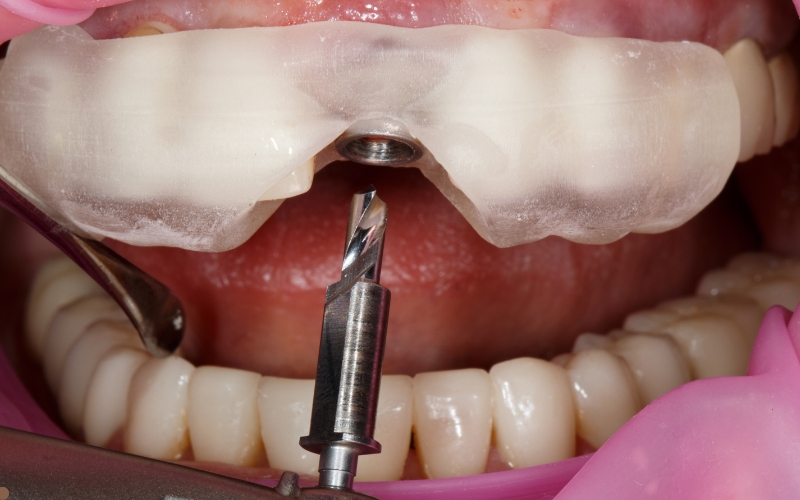
The single implant placement procedure is typically performed on an outpatient basis under local anesthesia or sedation to ensure your comfort. Here’s a breakdown of the steps:
Numbing the area: Local anesthesia numbs the implant site and surrounding tissues.
Creating the implant site: A small incision is made in the gum tissue to access the jawbone.
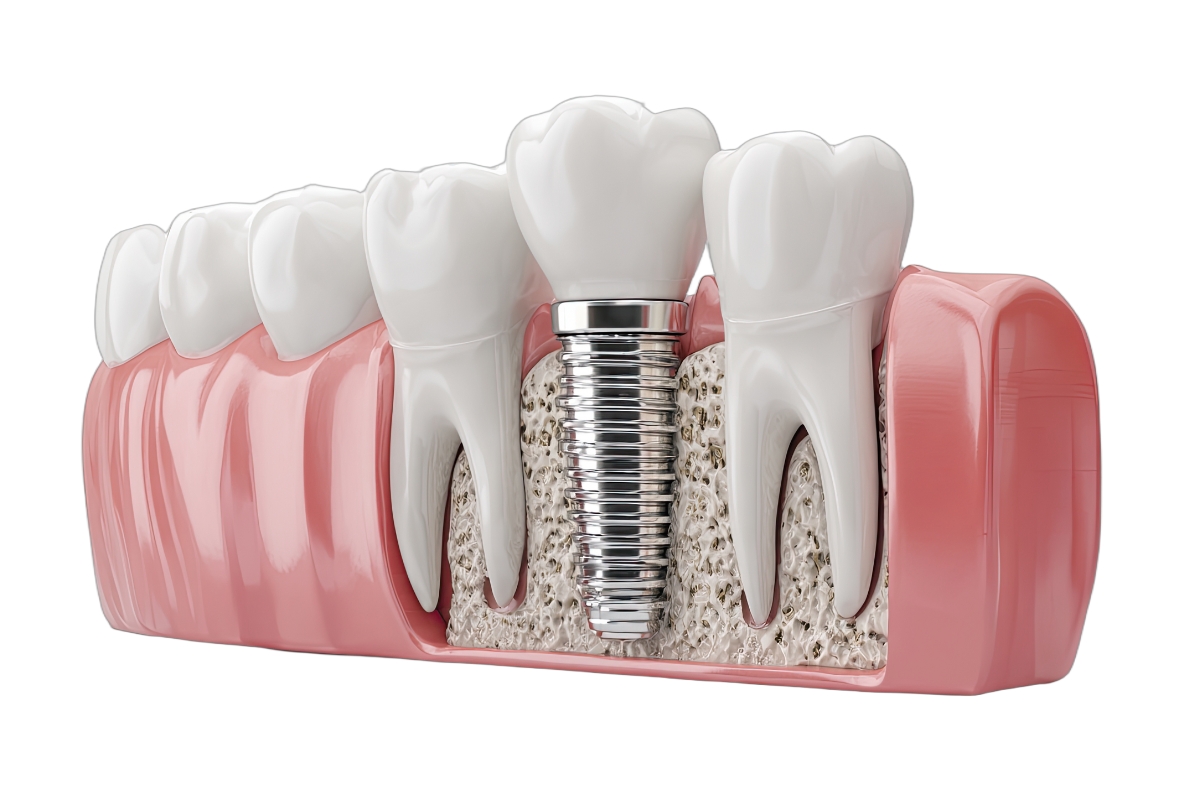
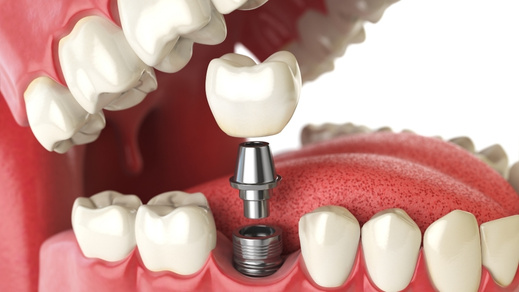
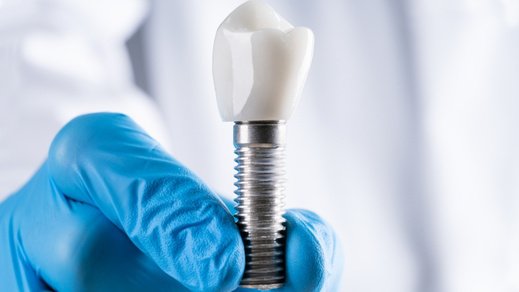
Placing the implant: A tiny titanium implant post is surgically inserted into the jawbone to act as the artificial tooth root.
Stitching the incision: The gum tissue is then stitched closed to promote healing.
It’s important to note that:
Sometimes, additional bone grafting surgery might be required if the jawbone isn’t strong enough to support the implant. This can be done during the same procedure as the implant placement or as a separate surgery beforehand.
Depending on your case and the type of implant used, a temporary restoration might be placed on the implant post immediately. However, in some cases, a healing period of a few months is necessary for the jawbone to fuse with the implant (osseointegration) before placing the permanent crown.
Recovery and Aftercare:
Following your teeth replacement, you can expect some swelling and discomfort. Your dentist will prescribe medication to manage any pain and provide specific instructions on caring for the surgical site, including:
Pain management: As instructed by your dentist, use the prescribed pain relievers to manage any discomfort you may feel. It’s crucial to adhere to the dosage and timing instructions to ensure effective pain relief.
Oral hygiene: Maintain gentle but thorough oral hygiene practices to prevent infection. This includes brushing your teeth carefully, avoiding the surgical site initially, and using an antimicrobial mouthwash as recommended by your dentist.
Soft diet: During the initial several days, maintain a soft food diet after surgery, to avoid putting pressure on the implant site. Foods such as yogurt, mashed potatoes, smoothies, and soups are ideal choices.
Rest: Give your body enough time to recover by getting plenty of rest in the days following your surgery. Avoid strenuous activities and exercise, as these can increase swelling and prolong the healing process.
The Healing Process:
The healing process can take several months as the jawbone integrates with the implant. During this time, you’ll likely need follow-up appointments with your dentist to monitor healing and potentially remove any temporary restorations.
Placing The Permanent Crown:
Once the healing process is complete, your dentist will take an impression of the implant site and surrounding teeth to create a custom-made, permanent crown. This crown is designed to look and function just like a natural tooth, restoring your smile’s aesthetics and functionality.
A Brighter Smile Awaits!
While the single implant placement procedure might appear frightening at first, knowing what to anticipate can alleviate anxiety and prepare you for a smooth journey. With a implants dentist for and proper care, your single implant can provide a long-lasting, natural-looking solution for a complete and confident smile. Remember, the reward of a beautiful, functional smile is well worth the process.
Frequently Asked Questions On Single Implant Placement!
1. Will the single implant procedure hurt?
Local anesthetic is usually used during the actual surgery or sedation, minimizing discomfort. You might experience some soreness and swelling after surgery, but pain medication can help manage these symptoms.
2. How long does the entire single implant process take?
The duration may change based on unique conditions, including bone grafting needs and healing time. Generally, the process can take anywhere from 3-9 months, with the implant placement surgery itself typically lasting 1-2 hours.
3. What are the benefits of single implants compared to other options like bridges?
Single implants offer several advantages, including preserving healthy adjacent teeth, improved chewing function, and long-lasting durability.
4. How much does a single implant cost?
The cost of a single implant can vary depending on factors like the complexity of the procedure, materials used, and dentist fees. It’s best to consult with a qualified dentist for a personalized cost estimate.
5. Am I a good candidate for a single implant?
The most effective method to ascertain candidacy is to arrange a consultation with a dental implant dentist. They can assess your dental health, jawbone density, and overall health to determine if a single implant is the right option for you.
Find out if you qualify for Implants.life dental implants in less than 2 min.
Click Here
Click Here