


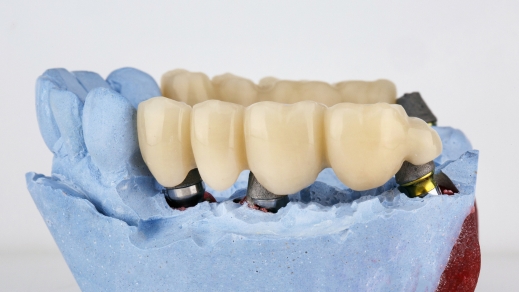
Implant bridges can be a good solution that can be essential in replacing missing teeth. They offer aesthetics and functionality. Smokers, however, are a group for whom the success of dental implants can be somewhat compromised due to the effects of smoking on oral health.
The healing process is often impacted negatively by smoking, and it can also lead to implant failure. However, existing solutions are there through which smokers can still receive implant bridges with professional guidance and correct precaution methods. But before proceeding with the two processes it is important to understand how implant bridges work.
What Are Implant Bridges?
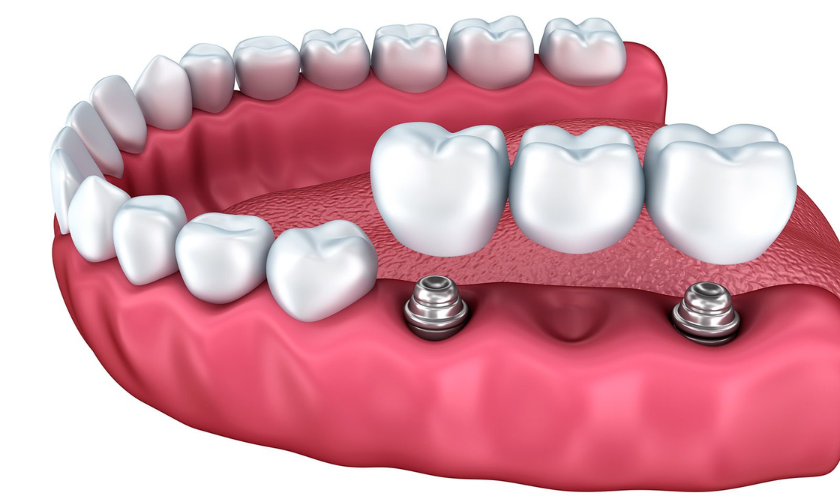
Implant bridges are known as dental prosthetics that are capable of replacing a range of different missing teeth with dental implants as support instead of being overly dependent upon natural teeth. They can offer a durable and long-lasting alternative to traditional dentures or dental bridges. The process can involve placing some good titanium implants inside the Jawbone, which then can act as false tooth roots.
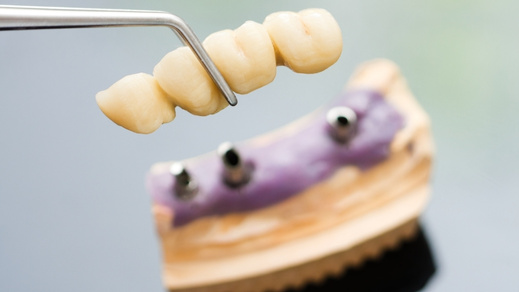
Osseointegration being allowed can result in implants fusing with the bone over several months that are to come. Attaching a bridge that is custom-made to the implants can also be deficient in restoring all aesthetics and function.
People who are looking forward to implant bridges Peabody should understand first how smoking affects the process negatively and stay away from the habit.
Risks of Smoking with Implant Bridges
Smoking has negative impacts on oral health, which then increases the risk that is associated with dental implant-related procedures. Firstly, nicotine naturally restricts blood flow to the bones and the gum, which slows down the healing process after the implant has been placed.
Studies highlight that smokers often have a high rate of implant failure when compared to patients who are nonsmokers. The chemicals in tobacco often interfere with the Osseointegration that prevents the implant from fusing properly.
Tips for Smokers Considering Implant Bridges
Quitting and reducing smoking before the procedure is to be done is the most ideal tip that smokers can have and apply at least two weeks before and after the implant has been done. Following a regular and consistent routine of brushing and flossing, and using antibacterial mouthwash will help reduce the bacteria buildup.
Considering alternatives to traditional smoking in the form of switching to nicotine patches or other types of smoking termination aids can help decrease the direct exposure of the oral tissue. Adhering to the post-surgical guidelines very carefully and taking all necessary medications, along with consistent consideration of soft food after the surgery for one or two weeks, can be ideal.
Smokers are capable of receiving implant bridges. However, they have a high risk of complications when compared to other types of user segmentations. The success of implant bridges on smokers largely depends upon their ability to quit smoking and maintain good hygiene practices. Following up on professional recommendations should also be necessary.
You can talk to our dental professionals if you want to implant bridges. Our professionals can guide you to the best to get optimal results.
Find out if you qualify for Implants.life dental implants in less than 2 min.
Click Here
Click Here