


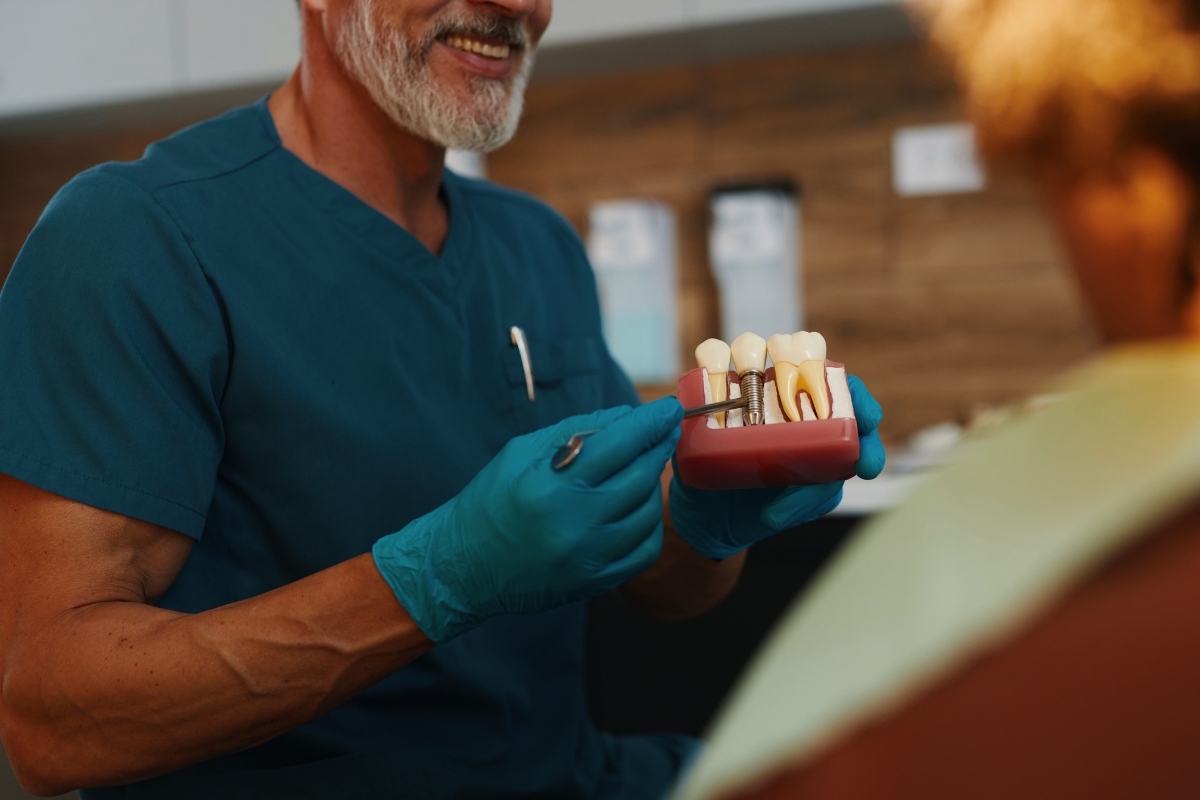
Missing multiple teeth in a row presents a unique crossroads in restorative dentistry. When you are looking to fill a gap of three or four teeth, the standard approach often involves deciding between placing an individual implant for every single missing space or opting for a more streamlined configuration. Choosing the right path includes balancing immediate clinical needs with long-term financial sense. In my years of practice, I’ve found that patients often assume more hardware equals a better result, but that isn’t always the case for either the mouth or the wallet.
Deciding on a restoration strategy requires looking past the surface. A single implant is a marvel of engineering that mimics a natural tooth root, but when you have a sequence of missing teeth, the physics of your bite change. This is where the concept of a “bridge” enters the conversation—not the old-fashioned type that grinds down your healthy neighbors, but a modern version anchored securely by titanium posts.
The Mechanics of the Modern Implant Bridge
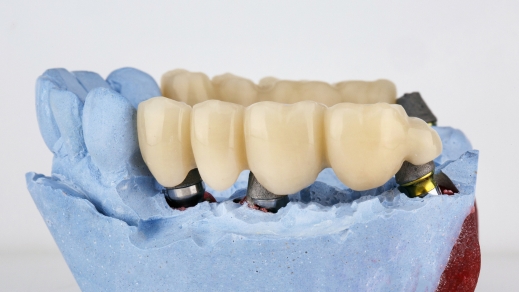
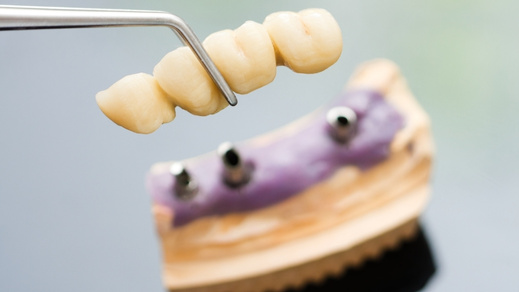
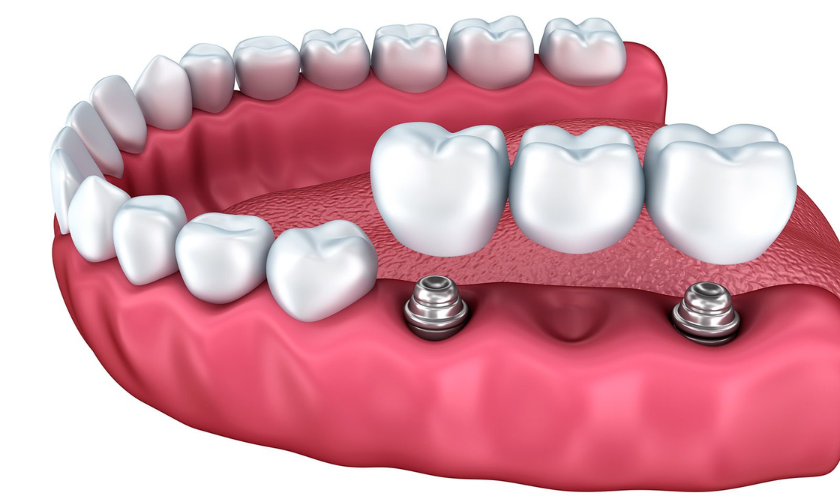
An implant-supported bridge functions similarly to a traditional dental bridge, with one major advantage: it doesn’t rely on your natural teeth for support. Instead of three individual implants for three missing teeth, we can often place two implants at either end of the gap and “bridge” the middle space with a high-strength prosthetic. This configuration leverages the jawbone’s structural integrity to support multiple crowns with fewer surgical sites.
Efficiency is the primary driver here. By utilizing fewer implants to support a larger span of teeth, we reduce the total amount of surgery required and the complexity of the restoration. This approach is particularly useful in the back of the mouth, where chewing forces are highest. When we plan implant bridges in Peabody, we distribute forces across the most stable areas of your bone, ensuring the restoration’s longevity without over-engineering the solution.
Financial Comparison: Initial Investment vs. Long-Term Value
When comparing costs, the math initially seems straightforward. Fewer implants generally mean a lower starting price point. Each individual implant requires its own post, abutment, and custom crown. By using a bridge, you eliminate the cost of at least one surgical placement and one titanium post. For a three-tooth gap, a bridge typically requires two implants, whereas individual replacements require three. This reduction in components makes a noticeable difference in the final bill.
However, true cost-effectiveness isn’t just about the first check you write. It is about how many times you have to return to the office over the next twenty years. Individual implants are easier to clean because you can floss between them just like natural teeth. A bridge, being a single connected piece, requires a bit more dexterity and specialized floss threaders. If hygiene is neglected, the risk of gum issues around the implants increases. Fortunately, for those receiving implant bridges in Peabody, our local community has access to excellent periodontal maintenance, which helps protect that initial investment for decades.
Clinical Benefits Beyond the Price Tag
Beyond the finances, there are biological reasons to prefer one over the other. Placing an implant helps preserve the jawbone because the post stimulates it, much like a tooth root. While individual implants stimulate the bone in every single socket, a bridge still provides enough stimulation at the anchor points to prevent the “sunken” look associated with bone loss.
Another factor is the space in your mouth. Sometimes, the spacing between missing teeth is too narrow to safely fit three individual implants without risking damage to the blood supply or the neighboring roots. In these instances, an implant bridge is actually the safer, more clinical choice. By opting for implant bridges in Peabody, patients often achieve a full, functional smile, even in complex anatomical situations where individual implants might be crowded.
Strategic Considerations for Your Restoration
- Bone Density: A bridge requires strong bone at the anchor points. If one site has significant bone loss, we might need a graft or a different implant configuration.
- Aesthetic Goals: In the “smile zone” (your front teeth), individual implants often provide the most natural-looking gum line, whereas bridges are excellent for the sturdy back molars.
- Hygiene Habits: If you find flossing difficult, individual implants might be the “cheaper” long-term option because they are easier to maintain.
- Treatment Timeline: A bridge often requires fewer surgical appointments, potentially shortening the time from your first visit to your final smile.
Longevity and Maintenance Costs
A well-maintained implant bridge can easily last 15 to 20 years, while the titanium posts themselves are designed to last a lifetime. The porcelain crowns on top may eventually wear down or chip, just like natural teeth. When a bridge needs repair, the entire unit usually needs to be addressed. With single implants, if one crown chips, you only replace that one.
We often tell our patients that the “cheapest” dentistry is the dentistry that only needs to be done once. Whether you choose a bridge or single implants, the key is the quality of the placement and the diligence of your home care. Following the tailored advice provided during your consultation ensures that whichever path you take, your new teeth remain a permanent part of your life.
Choosing between an implant bridge and single implants affects your daily comfort and your long-term dental budget. While a bridge offers a lower entry cost and high stability for multiple teeth, single implants offer the ultimate in ease of cleaning and individual tooth integrity. Neither is “better” in a vacuum; the right choice depends entirely on your anatomy, your budget, and your goals.
Are you ready to stop struggling with missing teeth and find the most cost-effective solution for your smile? Contact us at Coastal Dental Arts today to discuss how implant bridges can restore your confidence and function!
Commonly Asked Questions
Can an implant bridge be expanded later if I lose another tooth?
Generally, no. Implant bridges are custom-engineered for a specific gap. If you lose an adjacent tooth, we usually need to design a new restoration or add another implant to support the increased load. This is why we emphasize comprehensive planning from the start.
Is the recovery time different for a bridge versus single implants?
The recovery for a two-implant bridge is often slightly easier than for three or four individual implants simply because there is less surgical trauma to the gum tissue. Most patients return to their normal routine within a day or two, with only minor swelling.
Does an implant bridge feel different in my mouth than single implants?
A bridge is a solid piece, so you won’t feel the individual “give” between teeth when you bite down. Most people find they adjust to this sensation within a week. Single implants feel almost exactly like natural teeth because they move (very slightly) and function independently.
What happens if one of the supporting implants in a bridge fails?
If one anchor fails, the entire bridge loses its support. This is why we use highly durable materials and precise planning. In the rare event of a failure, we typically remove the failed implant, allow the area to heal (sometimes with a bone graft), and then place a new support.
Find out if you qualify for Implants.life dental implants in less than 2 min.
Click Here
Click Here