


Are you considering a dental implant but wondering how long it will last? It’s a common question, and it’s important to know the facts. Understanding the longevity of dental implants can help you make an informed decision. Knowing how long your implant might last is crucial for your overall dental health if you’re in Peabody or the surrounding area.
This blog will dive into how long single dental implants typically last, the factors that impact their lifespan, and specific considerations for Peabody residents. By the end, you’ll have the knowledge to make the best decision for your dental health.
What Is a Single Dental Implant?
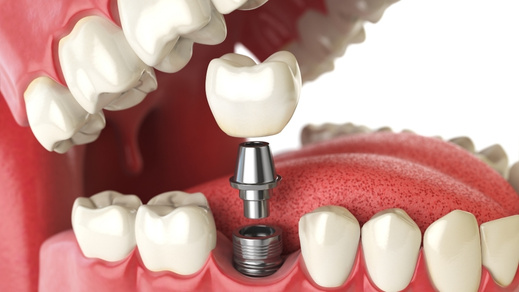
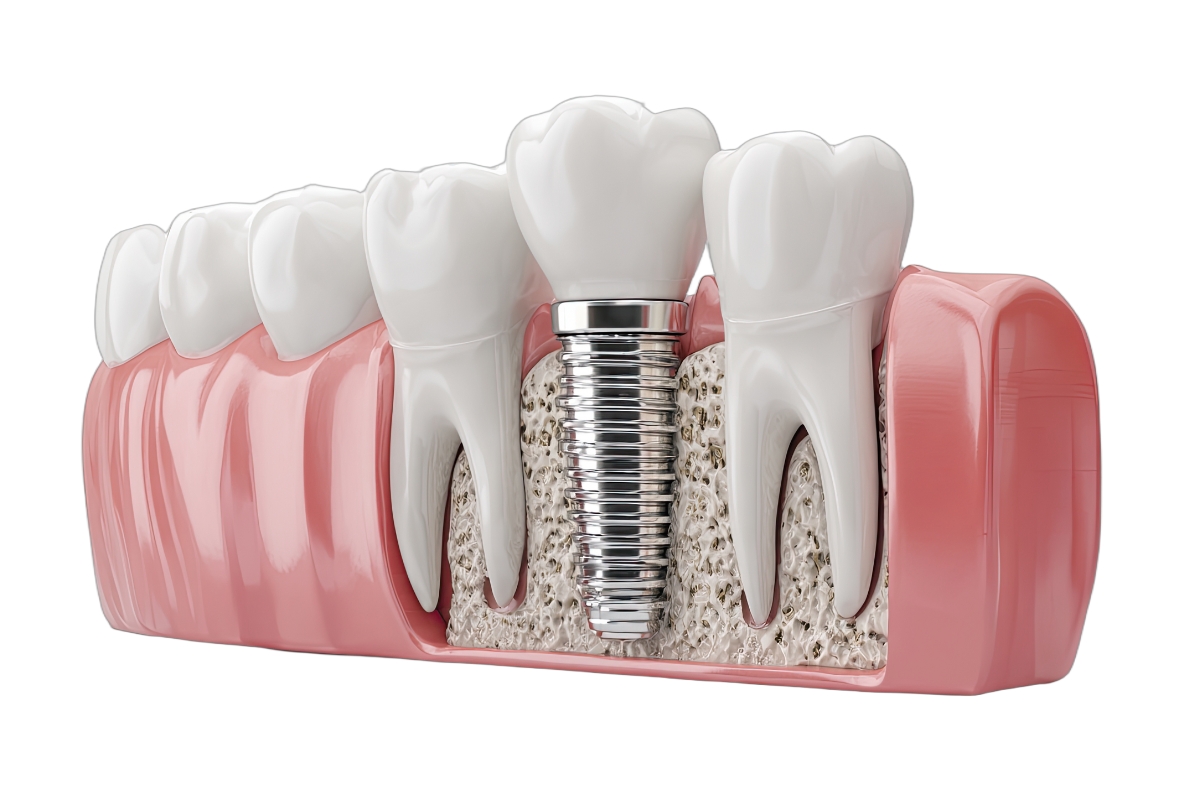
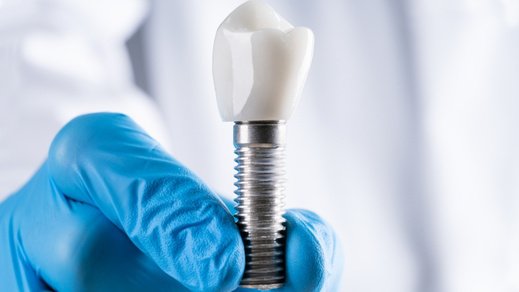
A single dental implant is a modern solution for replacing a missing tooth. It involves inserting a titanium post into the jawbone, acting as an artificial tooth root. Once the post is securely integrated into the bone, an abutment is placed on top. The abutment holds a custom crown that looks and functions like a natural tooth.
There are two main types of dental implants: endosteal and subperiosteal. Endosteal implants are placed directly into the jawbone, the most common option. Subperiosteal implants rest on the jawbone but underneath the gums, typically used when the jawbone is too thin to support endosteal implants.
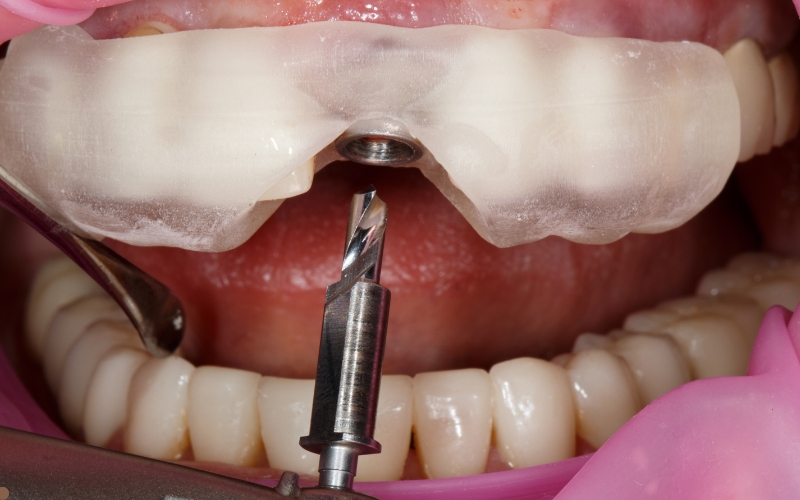
The procedure for a single dental implant typically involves multiple steps, including consultation, placement, healing, and crown attachment. This solution offers a permanent, highly durable way to restore missing teeth and improve overall dental function.
How Long Do Single Dental Implants Last?
Single dental implants in Peabody are designed to be long-lasting. On average, a single dental implant can last between 10 and 30 years, some lasting even longer. The longevity depends on several factors, including the quality of the implant materials, your oral hygiene habits, and the overall health of your gums and bones.
Factors Influencing Longevity
- Quality of Implant Materials: Most modern dental implants are made of titanium or zirconia. Titanium is the most common and well-tested material, known for its strength and ability to fuse with bone. Zirconia is a newer alternative, offering a more natural appearance but may not be as durable over time.
- Proper Care and Maintenance: Implants require good oral hygiene like natural teeth. Brushing twice daily, flossing, and using mouthwash can help prevent gum disease and keep your implant in good condition. Regular dental checkups are also crucial for catching any issues early on.
- Health of Bone and Gum Tissue: A healthy jawbone and gums are vital for the success of an implant. Bone loss or gum disease can weaken the support for the implant and may lead to failure. Sometimes, a bone graft may be needed before placing the implant.
- Skill of the Dentist: The dentist’s experience and expertise play a critical role in the longevity of the implant. A poorly placed implant can lead to complications down the road. Choosing an adept dentist ensures the implant is placed correctly and integrates well with the bone.
- Lifestyle Factors: Certain habits can shorten the lifespan of dental implants. Smoking, for example, can interfere with healing and increase the risk of infection. The diet also plays a role; a diet high in sugar can contribute to gum disease and affect implant health.
Why Do Some Dental Implants Fail?
While dental implants have a high success rate, they can fail for several reasons. One of the most common causes is infection. If bacteria reach the implant site during the healing process, it can lead to infection, which can cause bone loss and implant failure.
Another issue is bone loss. If the jawbone doesn’t have enough density or strength, the implant may not integrate properly, leading to instability and failure.
One of the major issues is improper placement. If the implant is not placed at the correct angle or depth, it might not bond properly with the bone, leading to complications.
To prevent implant failure, it is important to follow your dentist’s aftercare instructions, avoid smoking, and maintain good oral hygiene. Selecting a dentist with experience in dental implants is also crucial to ensure the best possible outcome.
The Truth About Implant Longevity in Peabody
In Peabody, dental implants tend to have a strong success rate, but local factors can influence their longevity. The area’s climate can sometimes affect healing, especially in cold or dry seasons. Additionally, the general health trends in the community, such as high rates of gum disease or bone loss, may impact how well implants hold up in the long term.
Choosing a local professional in Peabody is key. Many proficient dental professionals specialize in implants and provide personalized care that ensures the best results. Proficient dentists who understand the local community’s unique needs can offer tailored solutions for long-lasting implants.
Residents of Peabody who have had dental implants often report positive experiences, with many having had their implants for over a decade. Testimonials from local patients emphasize the importance of choosing a qualified professional and adhering to post-implant care routines.
How to Maximize the Lifespan of Your Dental Implant?
To maximize the lifespan of your dental implant, you must practice proper care. This includes brushing and flossing regularly, avoiding sugary foods, and using mouthwash to help prevent gum disease. Additionally, visit your dentist every six months for routine checkups and cleanings. These visits allow the dentist to monitor your implant’s and surrounding tissues’ health.
Avoid harmful habits like smoking, which can hinder healing and contribute to implant failure. If you grind your teeth, talk to your dentist about getting a mouthguard to protect your implant from wear and tear.
Regular visits to your dentist will help ensure your implant remains in good condition, allowing you to enjoy its benefits for years to come.
A single dental implant can last 10 to 30 years or more, depending on material quality, maintenance, and overall health. To maximize the lifespan of your implant, maintain proper care and consult an adept dentist. For Peabody residents, choosing a local professional can ensure the best results for your dental implant.
If you’re considering a dental implant, don’t wait—schedule a consultation with our dental professionals today to discuss your options and get personalized advice on maintaining your implant’s longevity.
Find out if you qualify for Implants.life dental implants in less than 2 min.
Click Here
Click Here