


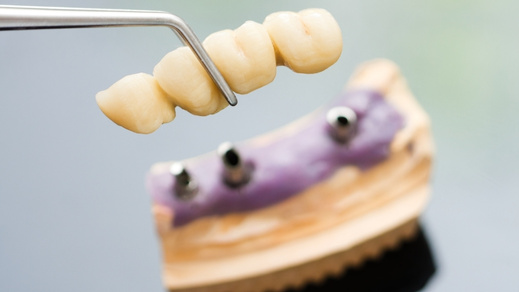
Implant Bridges provide a permanent solution when it comes to missing teeth. Bone loss takes place when tooth roots are no longer stimulating the jawbone. Avoiding bone loss can significantly preserve overall jaw health. Implant Bridges are capable of replacing lost teeth while preserving jaw health by blending into the bone structure.
When you select these solutions, they provide more functionality and ultimate oral health. Referral to a dental professional helps ascertain the optimal tooth replacement solution.
What is Bone Loss After Tooth Loss
Loss of teeth impacts the jawbone structure. Moreover, it leads to loss of bone over time. The natural tooth roots stimulate the bone constantly. They keep it strong and dense.
With missing teeth, the jawbone is not stimulated. As a result, it weakens and reduces in size. Resorption is the process that has the ability to change facial structure and undermine oral health.
Conventional dentures sit atop the gums without stimulating the bone. They lead to further loss of bone. Fixed bridges support themselves against nearby teeth. However, they don’t attach to the bone.
Only implant bridges directly stimulate, which halts bone degeneration and maintains jaw health. The proper replacement method assures long-term bone stability and oral function.
How Do Implant Bridges Work?
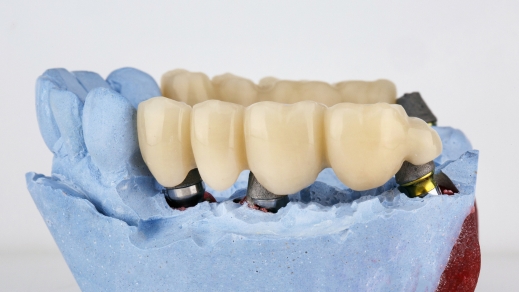
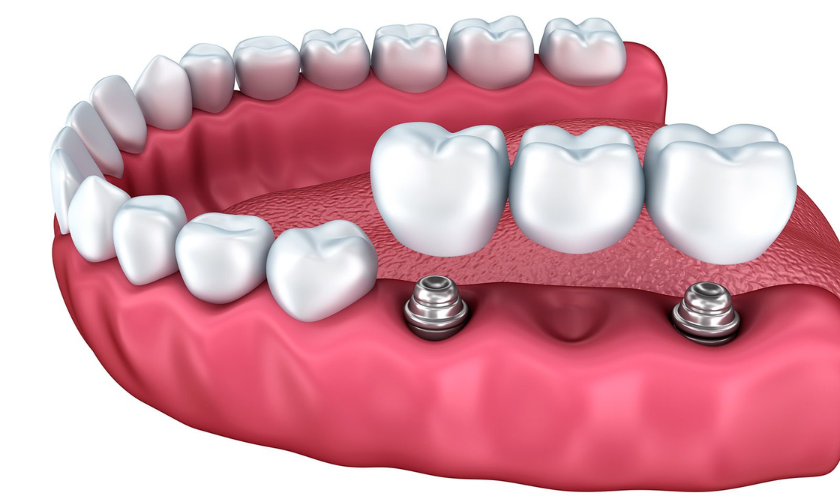
Implant bridges in Peabody are restorations of teeth supported by titanium implants in the jawbone. They are different from conventional bridges that are supported by adjacent teeth. Dentures sit on the gums and do not have the stability of Implant Bridges.
The process begins with the insertion of titanium implants into the jawbone. With time, the implants integrate with the bone via osseointegration. After healing, dentists attach specially designed bridges to the implants. It helps restore function and aesthetics. These solutions are capable enough of promoting jaw health by avoiding bone loss. They provide stability and enhance chewing efficiency.
This innovative solution provides long-term gain and greater comfort over conventional options. Implant bridges remove the necessity to alter healthy teeth. This is why they are so popular among most patients. Their longevity and capacity to restore a normal smile can significantly help improve dental health and self-esteem.
Do Implant Bridges Prevent Bone Loss?
Implant bridges avoid bone loss by osseointegration. This is a process in which the implants become attached to the jawbone. This bond replicates the natural roots of teeth. It supports bone density and jaw health. Conventional dentures and bridges do not stimulate the bone. This results in step-by-step erosion.
This dental procedure interacts directly with the bone. It stops shrinkage and supports facial contours. Research has verified that implant-supported restorations greatly minimize bone loss compared to alternative treatments. Unlike dentures, which sit atop the gums, implant bridges allow direct bone interaction. They ensure long-term stability.
Patients opting for these treatments enjoy improved oral health, increased jaw support, and better overall well-being. This option maintains bone structure. Moreover, it avoids facial sagging and provides improved chewing function. For that, it has become a better option for long-term oral health.
A visit to a dental professional helps find out whether implant bridges are appropriate for individual requirements. Investing in this treatment enhances jaw wellness and general health.
Find out if you qualify for Implants.life dental implants in less than 2 min.
Click Here
Click Here