


The pursuit of a radiant smile is more than just a cosmetic endeavor; it’s an essential part of maintaining overall oral health and self-confidence. Missing teeth can affect not only how we eat and speak but also how we feel about ourselves. Implant bridges have emerged as a revolutionary solution to this problem, offering both functional and aesthetic benefits. In this comprehensive guide, we’ll delve into how implant bridges can significantly improve your oral health and confidence, transforming not just your smile, but your life.
Understanding Implant Bridges
What Are Implant Bridges?
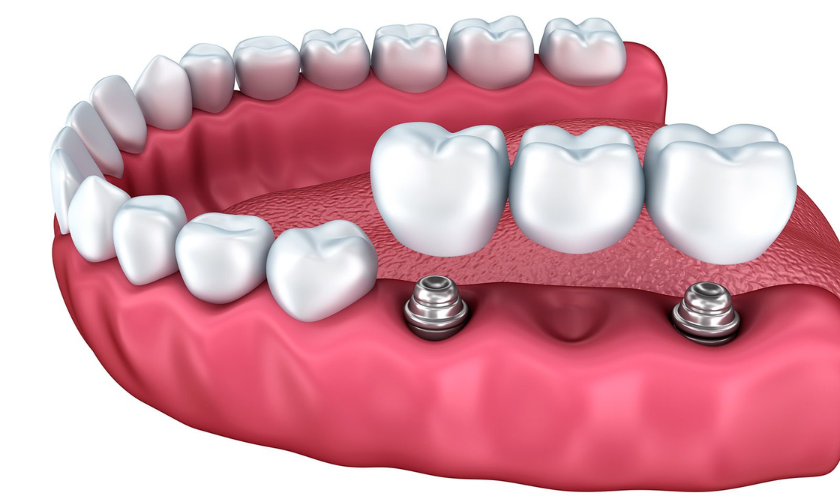
Implant bridges are dental restorations used to replace one or more missing teeth. Unlike traditional bridges that rely on adjacent teeth for support, implant bridges are anchored directly into the jawbone using dental implants. These implants act as artificial tooth roots, providing a stable and long-lasting foundation for the bridge.
How Do They Work?
The process involves placing titanium posts (implants) into the jawbone, which then fuse with the bone through a process called osseointegration. Once the implants are securely in place, a custom-made bridge is attached to these implants, restoring the appearance and function of the missing teeth.
The Health Benefits of Implant Bridges
1. Enhanced Oral Function
Missing teeth can make chewing and speaking difficult. Implant bridges restore full function to your mouth, allowing you to eat your favorite foods and speak clearly without the worry of slippage or discomfort that often accompanies dentures.
2. Preservation of Jawbone and Facial Structure
When a tooth is lost, the jawbone in that area begins to deteriorate due to lack of stimulation. Implants stimulate the jawbone, preventing bone loss and maintaining the integrity of your facial structure. This helps prevent the sunken appearance that can occur with prolonged tooth loss.
3. Improved Oral Hygiene
Implant bridges do not require altering adjacent healthy teeth, as traditional bridges do. This means your natural teeth remain intact and strong. Additionally, implants are easy to care for with regular brushing and flossing, reducing the risk of cavities and gum disease.
4. Long-Term Durability
Implant bridges are designed to be a permanent solution, with the potential to last a lifetime with proper care. This long-term durability makes them a cost-effective option compared to other dental restorations that may need frequent replacements.
Boosting Confidence with Implant Bridges
1. Natural Appearance
Implant bridges are custom-made to match the color, shape, and size of your natural teeth, ensuring a seamless and natural appearance. This can greatly enhance your smile and boost your self-esteem.
2. Stability and Comfort
Unlike dentures, implant bridges are securely anchored, eliminating the discomfort and inconvenience of loose-fitting dental appliances. This stability allows you to laugh, talk, and eat without anxiety or embarrassment.
3. Psychological Well-Being
A healthy, complete smile can have profound effects on your mental health. Confidence in your appearance can improve social interactions, professional opportunities, and overall quality of life. Knowing your smile looks natural and feels secure can reduce social anxiety and promote a more positive self-image.
The Procedure: What to Expect
Initial Consultation
Your journey begins with a comprehensive dental examination and consultation. Your dentist will assess your oral health, take X-rays or CT scans, and discuss your treatment options.
Implant Placement
The next step is the surgical placement of the implants. This procedure is typically performed under local anesthesia. The dentist makes small incisions in the gum to insert the titanium posts into the jawbone. After placement, the gums are sutured, and the healing process begins.
Osseointegration
Over the next few months, the implants will fuse with the jawbone in a process called osseointegration. This crucial step ensures the stability of the implants.
Abutment and Bridge Placement
Once osseointegration is complete, abutments are attached to the implants. These act as connectors between the implants and the bridge. Finally, the custom-made bridge is secured onto the abutments, completing the restoration process.
Post-Procedure Care and Maintenance
Maintaining your implant bridges is essential for their longevity and your oral health. Here are some key tips:
- Oral Hygiene: Brush and floss your teeth regularly, ensuring you clean around the implants to prevent plaque buildup.
- Regular Check-Ups: Visit your dentist for routine check-ups and professional cleanings to monitor the condition of your implants and overall oral health.
- Healthy Lifestyle: Avoid habits that can damage your teeth and implants, such as smoking and excessive consumption of sugary foods and drinks.
Implant bridges are more than just a solution for missing teeth; they are a transformative tool that can enhance your oral health and confidence. By providing a stable, durable, and natural-looking replacement for lost teeth, implant bridges can help you regain full oral function, preserve your jawbone, and restore your self-esteem. Whether you’re struggling with the limitations of dentures or seeking a permanent solution to tooth loss, implant bridges offer a path to a healthier, more confident smile.
Embrace the possibilities that implant bridges can offer and take the first step towards a brighter, more confident future. Consult with your dentist to explore how this innovative dental solution can meet your needs and transform your life.
Trending FAQs About Implant Bridges
- How long do implant bridges last?
With proper care and maintenance, implant bridges can last a lifetime. Regular dental check-ups and good oral hygiene are crucial for their longevity. - Is the implant bridge procedure painful?
Most patients experience minimal discomfort during the procedure, which is typically performed under local anesthesia. Post-surgery discomfort can be managed with over-the-counter pain relievers. - How do implant bridges compare to traditional bridges?
Implant bridges offer greater stability, durability, and preservation of adjacent teeth and jawbone compared to traditional bridges, which rely on neighboring teeth for support. - Can anyone get implant bridges?
Most people are candidates for implant bridges. However, sufficient jawbone density and good overall oral health are necessary. A dental consultation can determine your suitability. - What is the recovery time for implant bridge surgery?
Initial recovery from implant surgery typically takes a few days to a week. However, complete osseointegration may take several months before the final bridge can be placed. - Are implant bridges covered by insurance?
Coverage varies by insurance plan. Some dental insurance plans may cover a portion of the cost, but it’s essential to check with your provider and discuss financing options with your dentist. - How do I care for my implant bridges?
Maintain a routine of regular brushing and flossing, avoid hard foods that can damage the bridge, and visit your dentist for regular check-ups and cleanings to ensure the longevity of your implant bridges.
Find out if you qualify for Implants.life dental implants in less than 2 min.
Click Here
Click Here