

Zirconia implants are transforming the world of dental care. They offer a modern alternative to titanium implants, which have been the industry standard for years. Known for their white ceramic appearance, zirconia implants appeal to those seeking natural-looking dental solutions. But their benefits extend far beyond aesthetics.
Safety and performance are crucial when choosing dental implants. Biocompatibility ensures the implant integrates well with your body, while strength determines its long-term reliability. Evaluating these factors helps patients make informed decisions about their dental health.
This blog will explore whether zirconia implants are a safe and effective choice. It will discuss their biocompatibility, strength, and how they compare to traditional titanium implants. By the end, you’ll have a clear understanding of whether these implants are the right option for you.
What Are Zirconia Implants?
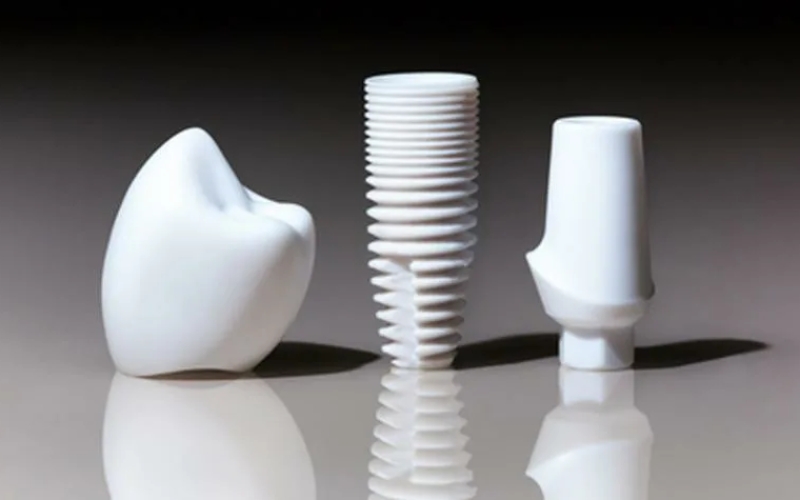
Zirconia implants are made from zirconium dioxide, a strong ceramic material with exceptional properties. Zirconia is a type of oxide derived from zirconium, yet non-metallic. Its ceramic nature makes it highly resistant to wear and corrosion, perfect for medical use.
One reason zirconia works well for dental implants is its biocompatibility. The material does not release harmful particles into the body, minimizing allergic reactions. It’s also resistant to heat and chemical damage, adding to its durability.
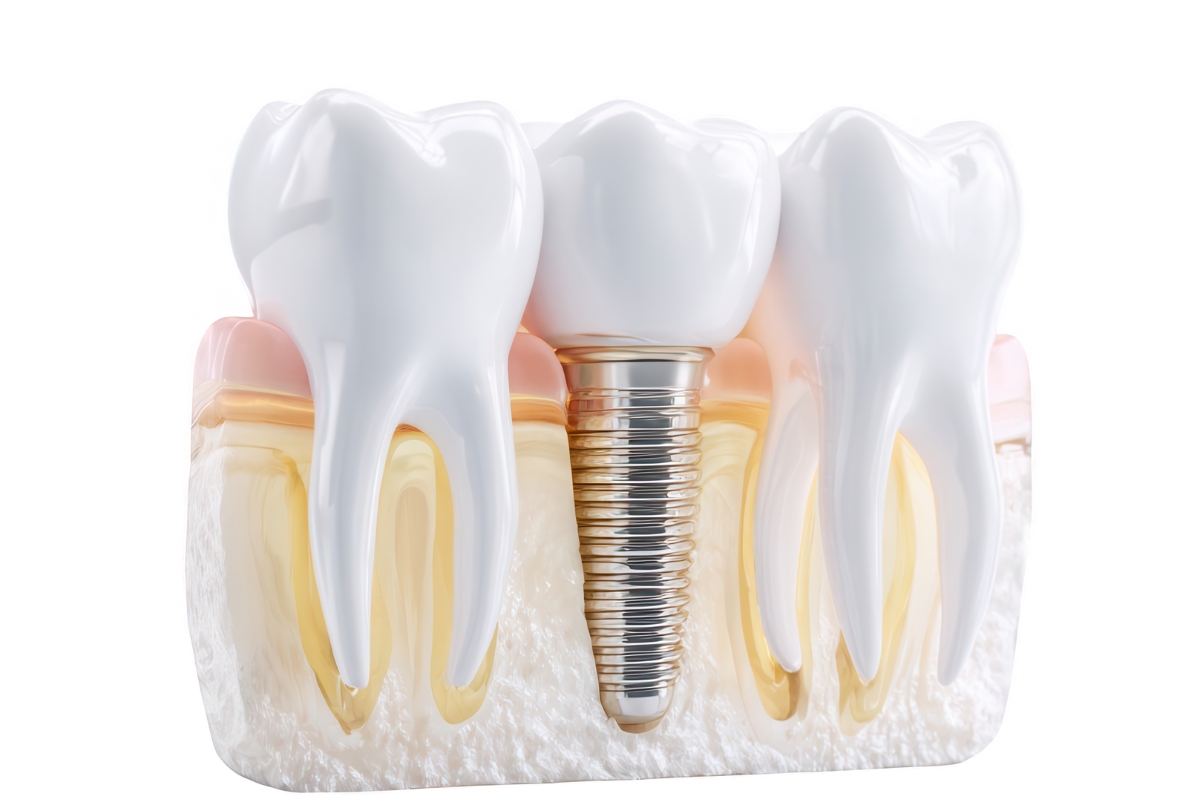
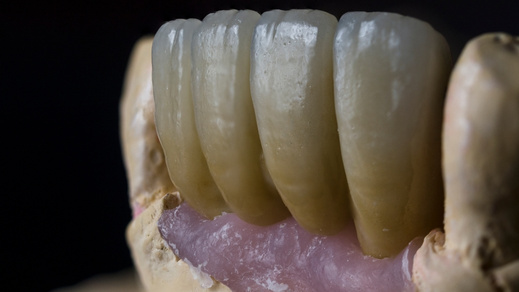
Unlike titanium implants, which are metallic and gray, zirconia implants are naturally white. This makes them a preferred choice for those concerned about aesthetics, especially for front teeth. Additionally, these implants are single-piece designs, eliminating the need for screws, reducing complexity, and improving hygiene.
Titanium implants, in contrast, consist of multiple components and have a long track record of success. However, they can pose risks for patients with metal allergies or sensitivities. While titanium remains the gold standard, zirconia offers an excellent alternative for patients prioritizing aesthetics and a metal-free solution.
Zirconia implants combine strength, durability, and biocompatibility, making them increasingly popular in modern dentistry. Their unique properties cater to functional and cosmetic needs, separating them from traditional options.
Understanding Biocompatibility
What is Biocompatibility?
Biocompatibility refers to how well a material interacts with the body without causing harm. For dental implants, this means the material should not trigger allergic reactions or inflammation. It must also bond well with bone to provide a stable foundation.
Biocompatibility of Zirconia
Zirconia implants excel in biocompatibility. Studies show that zirconia integrates seamlessly with bone tissues. This process, called osseointegration, ensures stability and long-term success. Unlike metal implants, zirconia does not release ions into the body, reducing allergic responses.
Zirconia is also non-porous, which helps prevent bacterial growth around the implant. This property contributes to healthier gums and reduces the risk of infections. The absence of metallic elements makes zirconia implants ideal for patients with sensitivities or preferences for metal-free solutions.
Comparison to Titanium
Titanium implants are biocompatible but may release metal ions over time. This can trigger allergic reactions in sensitive individuals. Additionally, some patients dislike the metallic appearance of titanium, especially near the gum line.
Zirconia implants address these concerns by offering a biocompatible, metal-free, and natural-looking alternative. Patients with specific allergies or aesthetic preferences often choose zirconia for its superior compatibility and appearance.
Assessing Strength and Durability
Mechanical Properties of Zirconia
- High Fracture Toughness: Zirconia implants are exceptionally tough, enabling them to endure heavy chewing forces. Their ability to resist cracking under stress makes them ideal for dental restorations.
- Wear Resistance: Zirconia’s resistance to wear ensures long-lasting performance even with daily use. Unlike some materials, zirconia maintains its integrity over time, reducing the need for replacements.
- Exceptional Strength: Zirconia exhibits impressive compressive strength, enabling it to handle significant pressure without deforming or breaking.
Modern ones are enhanced through yttria-stabilization, a process that improves their mechanical properties. Yttria, a stabilizing agent, increases zirconia’s strength and prevents stress-induced phase transformations. This advancement has made zirconia implants more reliable and durable compared to earlier versions.
Longevity of Zirconia Implants
- Clinical Survival Rates: Research reveals that these implants have survival rates comparable to titanium, ranging between 90% and 98% over five years. These figures indicate that zirconia implants perform well in both short—and long-term scenarios.
- Improved Brittleness: Early zirconia implants were concerned about brittleness. However, modern manufacturing techniques, such as fine-grain processing and yttria stabilization, have significantly reduced the risk of fractures.
- Case Studies and Performance: Clinical studies show these implants excel in demanding conditions, offering a reliable solution for patients needing strong dental restorations.
Advancements in zirconia design have addressed past concerns, ensuring durability and reliability. With proper care, these implants can last for decades. Their resilience and natural appearance make them an excellent choice for patients seeking a durable, metal-free dental implant.
Patients seeking a durable, aesthetic implant option can trust zirconia’s performance. Its combination of strength and biocompatibility ensures lasting success, even under demanding conditions.
Zirconia implants are a safe, strong, and biocompatible option for dental restoration. Their ceramic nature provides excellent biocompatibility, minimizing allergic reactions and ensuring smooth integration with bone. They also offer a durable, aesthetic solution for patients seeking metal-free implants.
While titanium implants remain popular, zirconia’s advantages make it an excellent alternative for specific needs. Patients should consider their health, preferences, and lifestyle before deciding.
Consulting our dental professionals ensures the best choice for your situation. Zirconia implants combine safety, strength, and beauty, proving they are a modern solution for dental care.
Find out if you qualify for Implants.life dental implants in less than 2 min.
Click Here
Click Here