


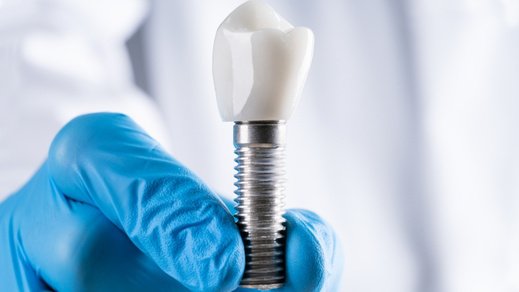
Dental implants are one of the most effective solutions for missing teeth today. They offer a permanent and natural-looking replacement, enhancing both appearance and oral function. Unlike other options, implants integrate with the jawbone, providing a stable foundation that can last a lifetime with proper care. For many people, single dental implants are the preferred choice because of their durability and the aesthetic benefits they offer.
However, not everyone is a good candidate for single dental implants. Factors like oral health, bone density, lifestyle habits, and age can impact the success of an implant. This blog will explore the essential factors that determine if you’re a suitable candidate for a single dental implant. Understanding these considerations can help you make an informed decision about whether dental implants are the best option for you.
What is a Single Dental Implant?
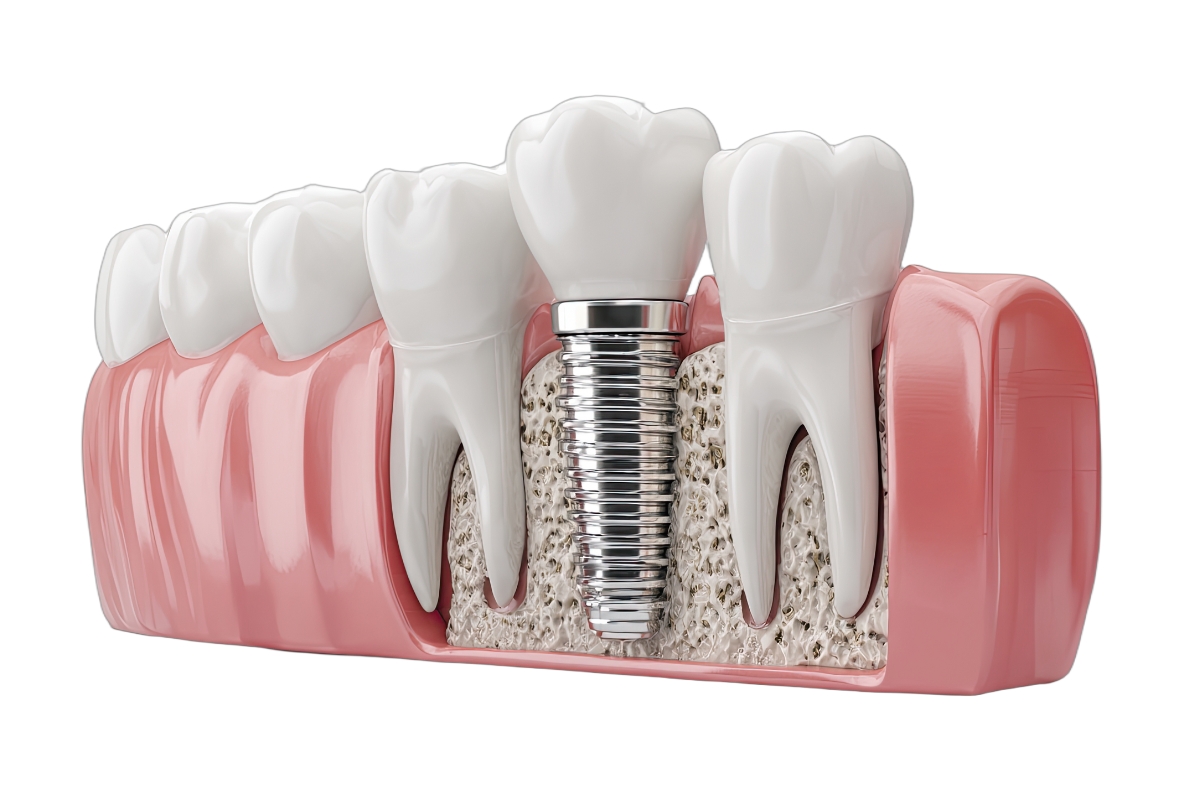
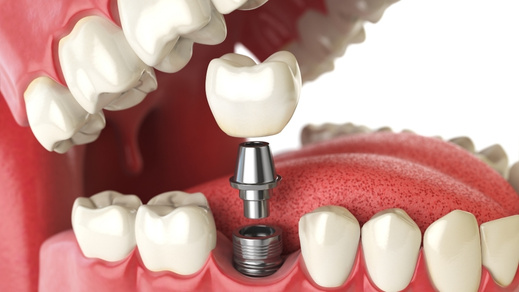
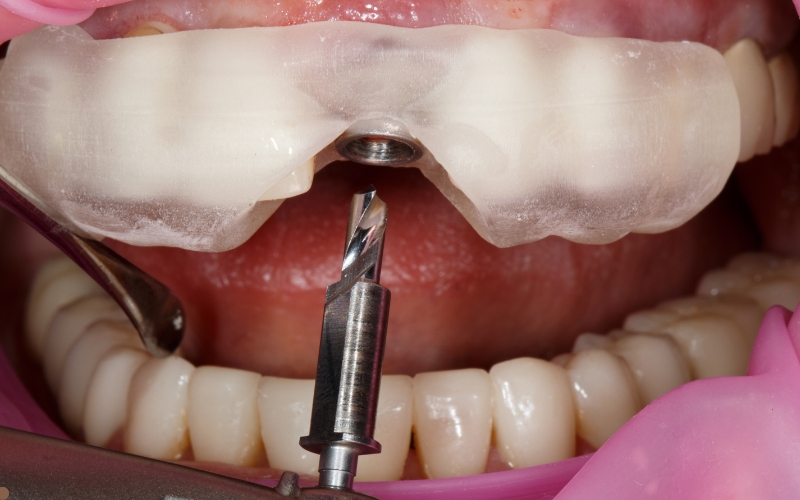
A single dental implant replaces an individual tooth. It consists of three main parts: the implant post, the abutment, and the crown. The implant post, typically made of titanium, is surgically placed into the jawbone.
This post acts as an artificial root, providing a strong foundation for the new tooth. The abutment connects the implant post to the crown, which is the visible part of the tooth. The crown is custom-made to blend seamlessly with your natural teeth in both color and shape.
Single dental implants differ from other tooth replacements, such as bridges and dentures, in several ways. Bridges rely on adjacent teeth for support, which may weaken those teeth over time.
Dentures, on the other hand, rest on the gums and can sometimes slip or feel uncomfortable. Single dental implants, however, are independent, providing a stable and natural feel without affecting surrounding teeth.
The benefits of single dental implants extend beyond aesthetics. They restore full functionality, allowing you to eat, speak, and smile with confidence. Implants also help maintain jawbone density, preventing the bone loss that often occurs after tooth loss. This helps preserve your facial structure and overall oral health.
With the right care, single dental implants can last for decades, offering a durable and attractive solution for missing teeth.
Key Factors to Determine Candidacy for a Single Dental Implant
Not everyone is a candidate for single dental implants. Here are some critical factors to consider when determining if this solution is right for you:
a) Overall Oral Health
Good oral health is essential for a successful dental implant. Candidates should be free from gum disease and have healthy surrounding teeth. Gum disease, for example, can lead to infections around the implant site, increasing the risk of implant failure.
Tooth decay or other untreated oral issues can also complicate the procedure and negatively impact healing. Addressing any existing oral health issues with your dentist before considering an implant is essential to ensure the best outcome.
b) Sufficient Bone Density in the Jaw
Jawbone density plays a vital role in the success of dental implants. Since the implant post integrates with the jawbone, there needs to be enough bone to support it securely. Bone loss in the jaw can happen due to tooth loss, aging, or conditions like osteoporosis. Without sufficient bone, the implant might not be stable.
However, options like bone grafts can help build up the bone in preparation for an implant. A dentist can assess bone density through imaging and suggest ways to improve bone health if needed.
c) Commitment to Good Oral Hygiene
Maintaining excellent oral hygiene is essential for the longevity of a dental implant. Like natural teeth, implants require daily brushing, flossing, and regular dental check-ups. Neglecting oral care can lead to infections around the implant, risking its stability.
Prospective candidates should be committed to a rigorous dental care routine, which includes regular professional cleanings. Good oral hygiene protects the implant and enhances your overall dental health.
d) Age Considerations
Age can also influence dental implant candidacy. For younger patients, implants are usually recommended only after the jawbone has fully matured, which is typically in the late teens or early twenties.
Age alone is rarely a barrier in older adults as long as general health is good. Older patients with bone loss may require additional preparation, such as bone grafts. Consulting with a dentist will help determine if age-related factors could impact implant success.
e) Non-Smoker Status (or Willingness to Quit)
Smoking can significantly impact the healing process of a dental implant. Nicotine restricts blood flow, which can lead to delayed healing and increase the risk of infection. Smoking has also been linked to higher implant failure rates.
For the best chances of a successful outcome, candidates should ideally be non-smokers or willing to quit smoking before and after the procedure. If you are a smoker considering an implant, talk with your dentist about the potential risks and strategies for quitting.
f) Absence of Certain Health Conditions
Certain health conditions can complicate the dental implant process. For instance, diabetes, autoimmune disorders, and osteoporosis may affect healing and bone density.
Additionally, medications that impact bone metabolism can also interfere with implant success. If you have any health conditions or take medications that might impact bone or gum health, consult your dentist. They will work with your healthcare provider to assess the risks and determine the best path forward.
Consultation and Evaluation Process
If you are considering a single dental implant, the first step is to schedule a consultation with your dentist. During this initial visit, your dentist will conduct a comprehensive evaluation, which often includes X-rays, a full oral examination, and a discussion of your medical history. This evaluation helps the dentist determine your bone density, assess your oral health, and identify any risk factors that could affect implant success.
The consultation is a great opportunity to ask questions and explore any concerns you may have about the procedure. If your dentist identifies any issues, they may suggest preparatory treatments, such as a bone graft or periodontal therapy, to improve your candidacy. This personalized evaluation helps ensure that if you proceed with a dental implant, you have the best possible chance for a successful outcome.
Single dental implants offer an excellent solution for replacing missing teeth, combining durability with a natural look and feel. However, they are not suitable for everyone. Factors like oral health, bone density, and lifestyle play a crucial role in determining implant success. By considering these aspects, you can gain a clearer understanding of whether you’re a good candidate.
If you are interested in learning more, the best next step is to consult with our dental professionals. A personalized consultation will provide you with tailored advice and help you make an informed decision. Do not hesitate to reach out to schedule an appointment—your path to a healthier, more confident smile may be closer than you think!
Find out if you qualify for Implants.life dental implants in less than 2 min.
Click Here
Click Here